



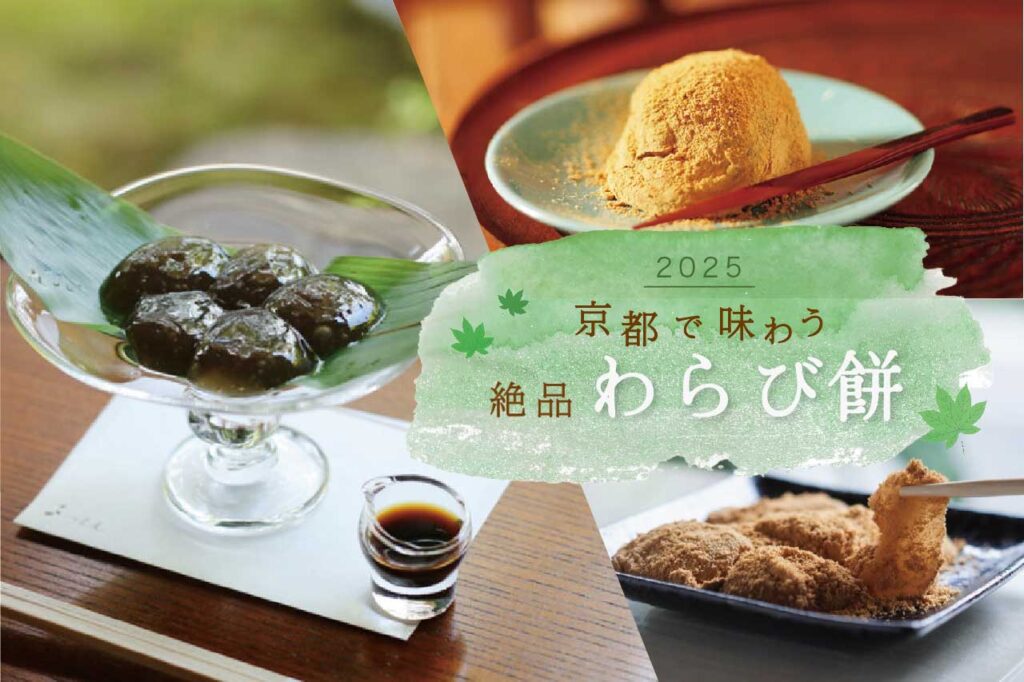

Warabimochi is a Japanese sweet with a soft and fluffy texture and a gentle sweetness. Originally a seasonal delicacy in spring, warabimochi is now a popular Japanese confectionery throughout the year. In this issue, we introduce a selection of the best warabimochi in Kyoto. From popular stores to long-established sweet shops, why don't you compare and contrast the specialty of each store, which is particular about its ingredients?
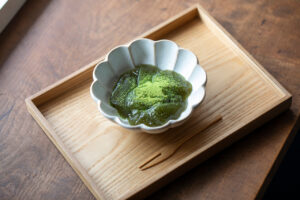
Kyoto Sweets Bunnosuke Chaya Honnama Warabi Mochi Matcha Good Day
1,512 yen (tax included, shipping fee not included)
Kyoto Kiyomizu monna Honbracken rice cake
2,000 yen (tax included, shipping fee not included)
Gion Tokuya (Higashiyama-ku, Kyoto City, Kyoto Prefecture) has a reputation for its sweet treats made with carefully selected ingredients and freshly prepared delicacies, such as hot rice cakes baked by customers themselves on a dedicated stove and warabimochi made from domestic warabimochi flour. Their signature item, the warabimochi, has a melt-in-your-mouth texture and a gentle flavor unique to real warabi flour.
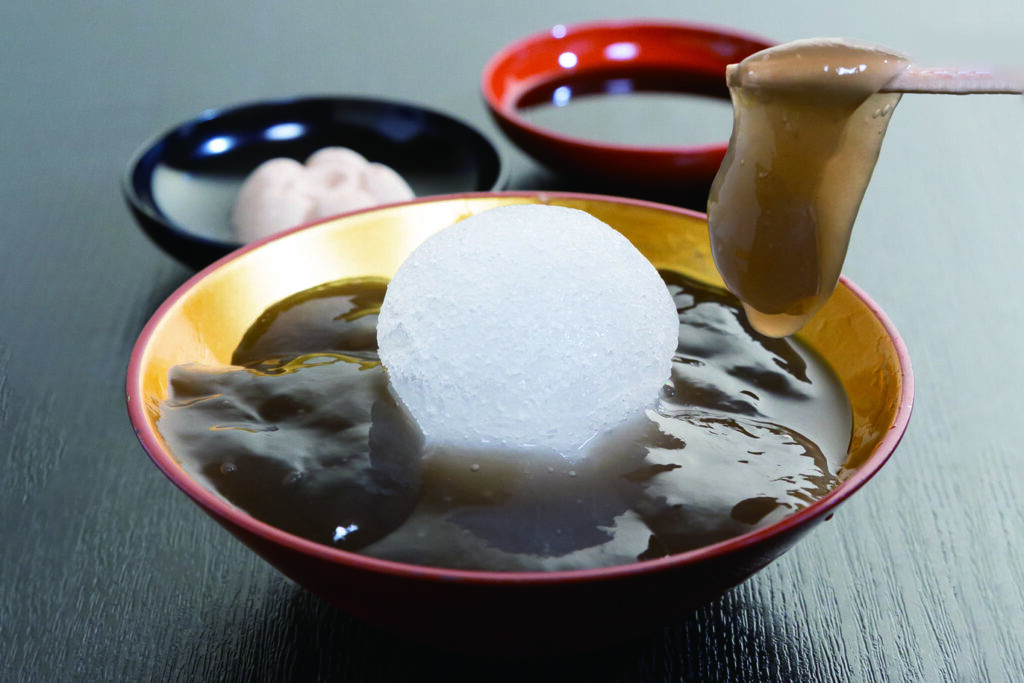
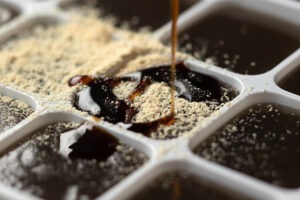
Tokuya's Honwarabi Mochi (rice cake): 1,320 yen. At the end, the remaining ice in the center can be poured over with molasses to make it shaved ice-like.
Mitsuya] (Ukyo-ku, Kyoto City, Kyoto Prefecture) is a store specializing in warabi mochi (rice cakes) made from natural real warabi (straw). Made with natural strawbeech flour from Akita Prefecture, the purity of the starch is higher than that of ordinary strawbeech, making it stickier and more elastic and giving the mochi a strong rice cake texture. The gentle sweetness and generous amount of Kyoto kinako (soybean flour) make it a simple yet unmistakable delicacy that everyone will love.
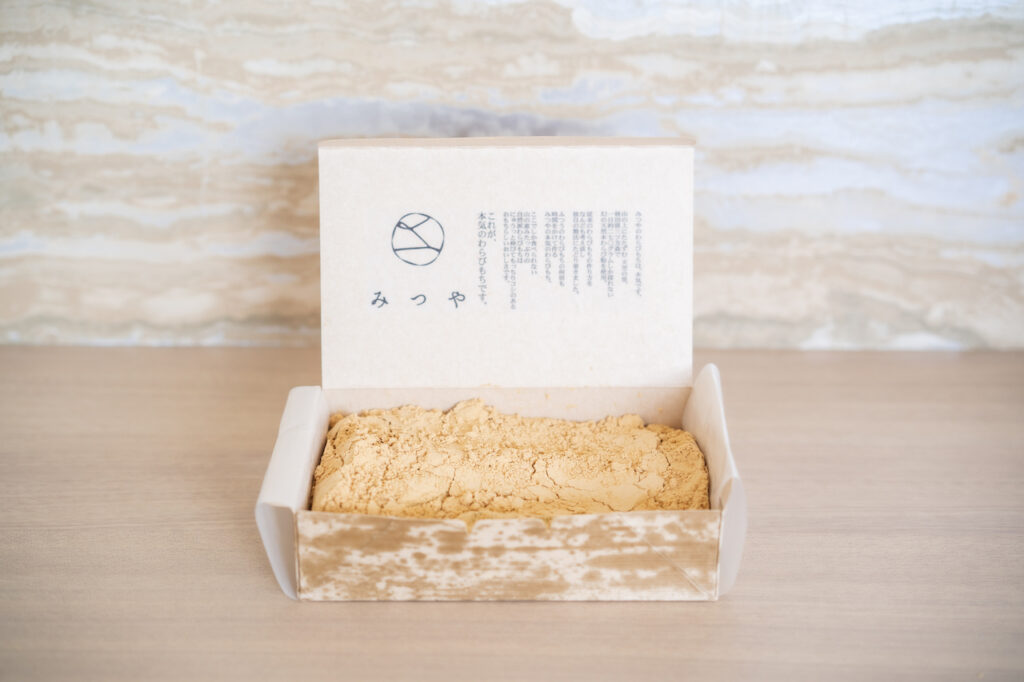
Plain 800 yen. Stretchable, firm, and very satisfying. There is a rich lineup of varieties, including one with azuki beans and cacao nibs, and a total of six varieties (five standard and one limited-time-only) are on standby!
At Saryo Hosen (Sakyo-ku, Kyoto City, Kyoto Prefecture), run by Hosen-do, a Japanese confectionery store established in 1952, you can enjoy sweet treats while gazing at a Japanese garden in a tatami room built in the traditional sukiya style. The lusciously glossy warabimochi, which are made to order, are unparalleled in their elasticity and softness.
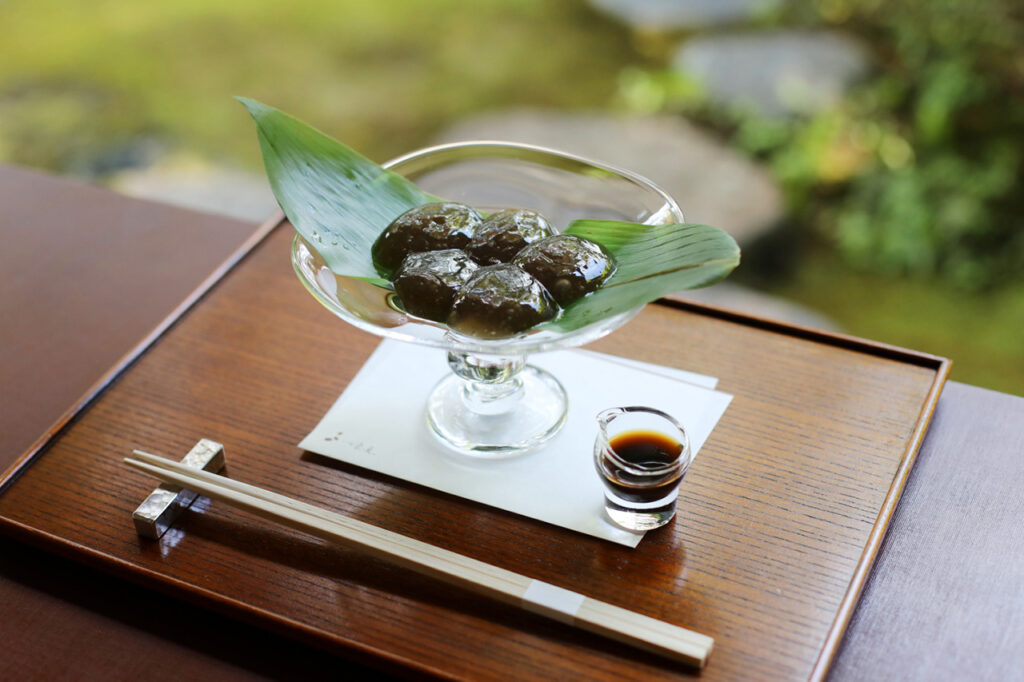
The specialty, Warabimochi, made with Japanese strawbeech flour and carefully kneaded, is 1,400 yen. Enjoy the change of taste by pouring Hateruma's Kuromitsu (molasses) from Okinawa to your liking.
Ichijoji Nakatani (Sakyo-ku, Kyoto City, Kyoto Prefecture) is a Japanese confectionery that has been in business for three generations and is known for its Dechi Yokan, a local specialty of Ichijoji. The summer favorite is the colander warabi. The strawbutter is made with fresh Hokkaido cream and placed in a small colander. Served with Hateruma-grown molasses and soybean flour, this blend of Japanese and Western flavors is a hit with children and adults alike.
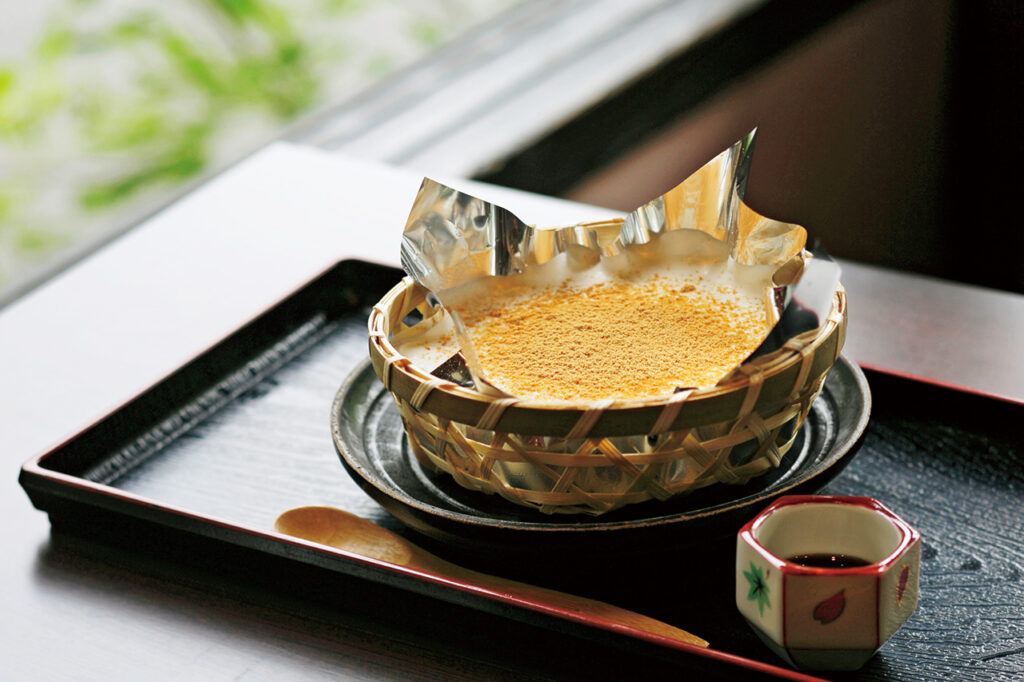
Zaru Warabi 680 yen. A cool dish inspired by the shape of zaru-dofu. The exquisite texture of this collaboration of a Japanese confectioner and a patissier is not too soft and is addictive.
Over 600 interviews per year! An order site carefully selected by the editors who knows Kyoto and Shiga.
nowOfficial LINE friend registration500 yen OFF coupon is being issued!
Distributed every Friday morning at 8:00 am! From new restaurant information to event information that we want to share with you, We deliver articles about Kyoto that are useful to know. About 20,000 people have registered.Click here to add a friend!
 News
News

 Feature article
 Featured event