

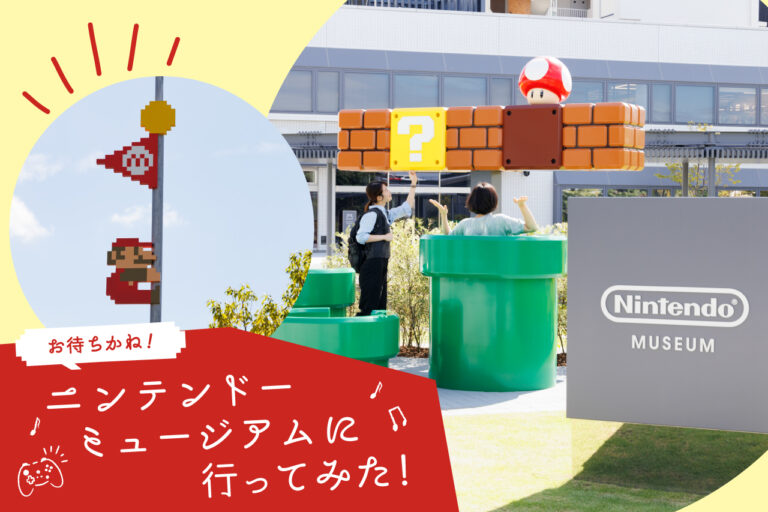
I visited the Nintendo Museum in Uji, Kyoto...


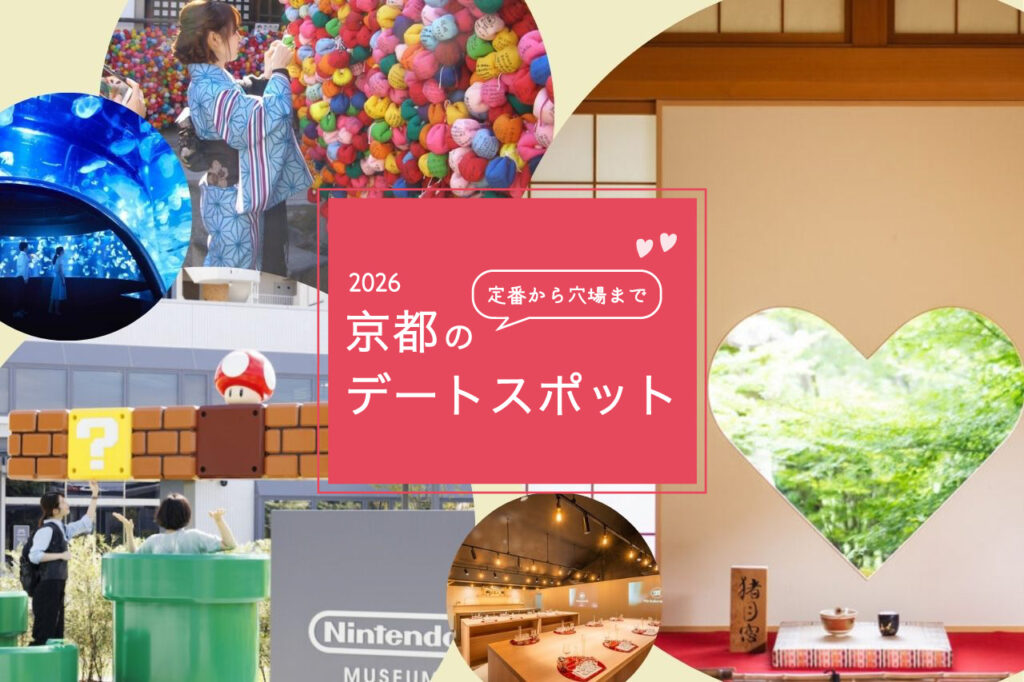

Are you troubled by dates that gradually get stuck in a rut? In addition to famous shrines and temples, Kyoto offers a wide variety of fun facilities such as handmade crafts, theaters, museums, and archives.
今回は定番から穴場まで、編集部おすすめのデートスポットをたっぷりと紹介します。気になった場所はチェックして、大切な思い出を作りに出掛けてみて。(TEXT/鳥羽花、EDIT/堀家果菜子)
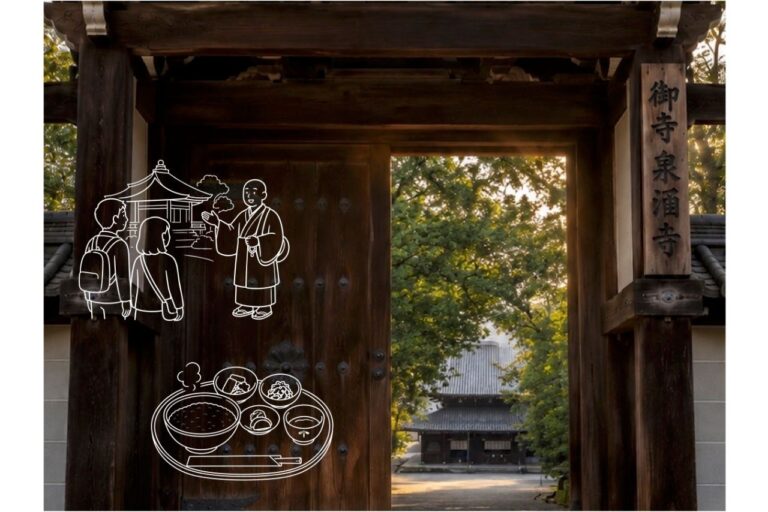
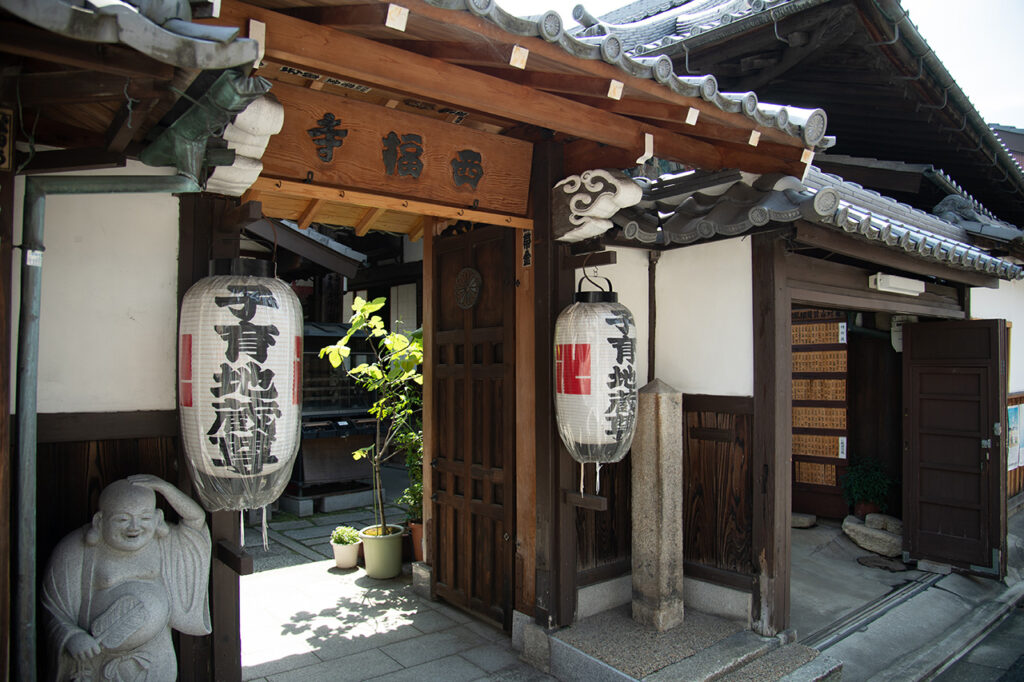
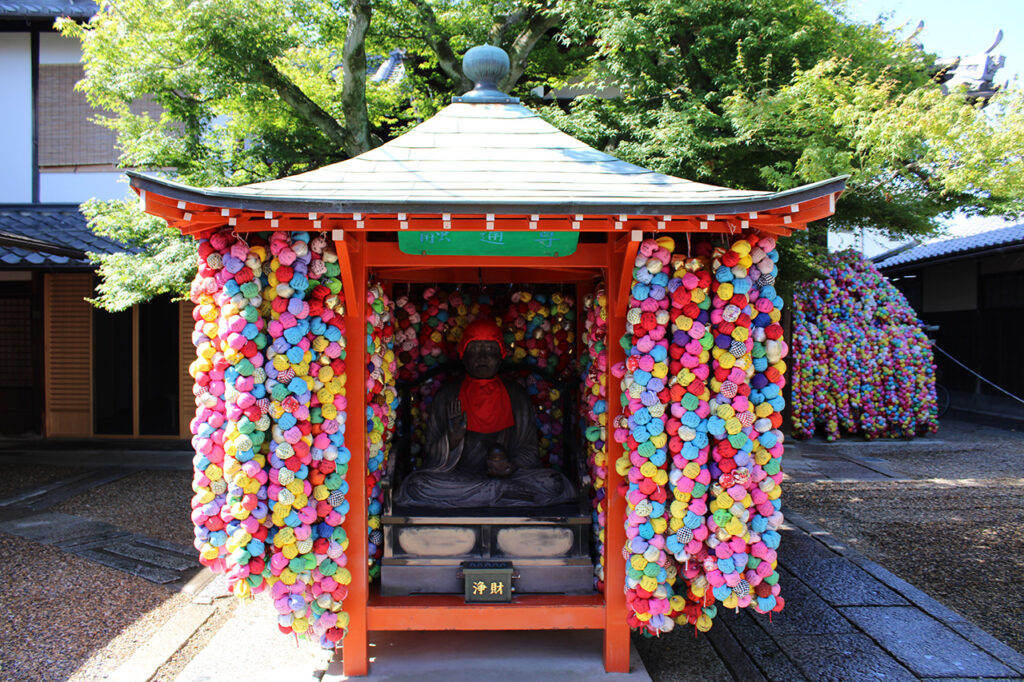
[Seifukuji Temple was founded in the Heian period (794-1185) by Kobo Daishi, who built a tsujido (temple hall) here and enshrined a Jizoson (a statue of the Ksitigarbha) that he had made himself. In 1983, Japanese-style painter Morimoto Yuzumi and his students dedicated a flower ceiling to the temple as a memorial service for the 1,150th anniversary of the death of Empress Danrin, a deity associated with Jizoson, which can be viewed from outside the main hall.
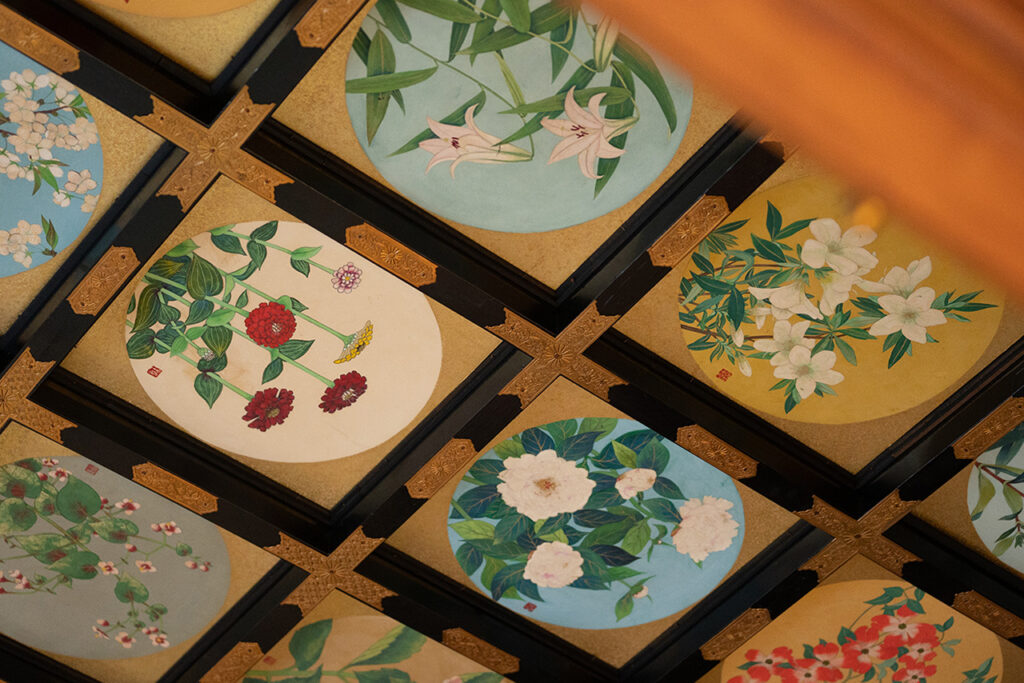
The floral ceiling also depicts many Western flowers such as iris, gerbera, and bougainvillea.
Yasaka Koshindo is one of the three most popular shrines in Japan and is also known as "Koshin-san. The main hall houses a statue of the three monkeys, "see no evil, speak no evil, hear no evil," and is also famous for prayers such as the "konjaku kojaku kojaku" prayer, which seals out intractable diseases, and the "kocho kocho" prayer, which attracts lost items. It is a standard practice to take pictures of couples wearing kimonos. Before taking pictures, do not forget to pay your respects at the main hall.
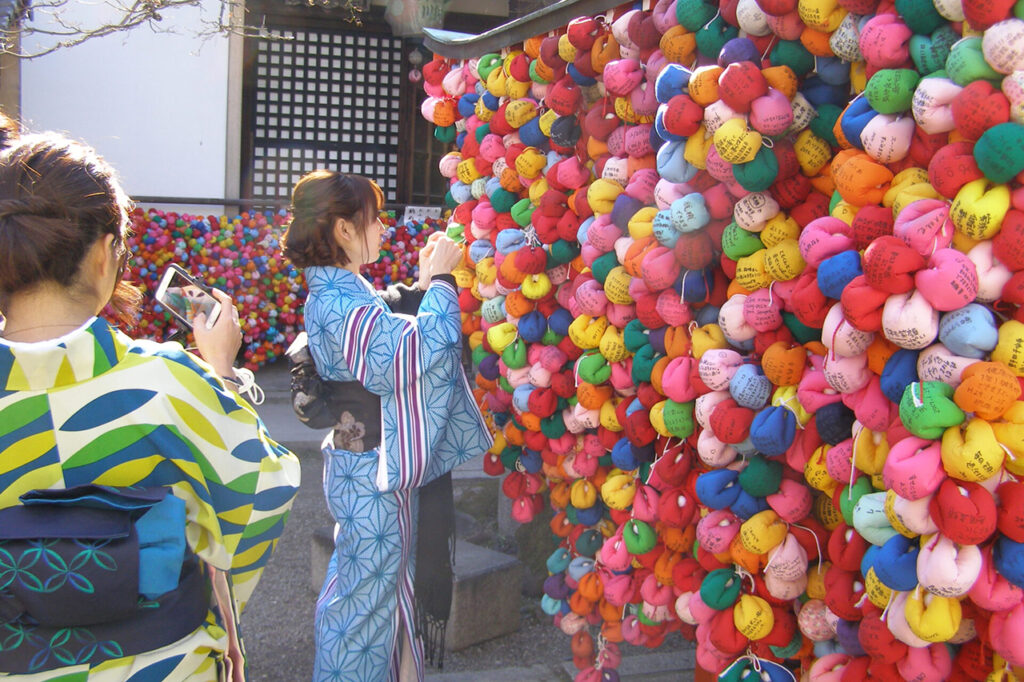
The "kukuri-monkeys" that adorn the precincts of the temple represent monkeys tied to human greed, and it is said that if you make a wish and endure one of your desires, your wish will be granted.
In 1052, Yorimichi Fujiwara converted Uji-den, the villa of his father, Michinaga Fujiwara, into a Buddhist temple and founded Byodoin. At that time, the Pure Land faith, which prayed for rebirth in paradise, spread among aristocrats, Buddhist monks, and the general public, and the Amida Hall (now the Phoenix Hall) was built as a place of prayer. The main statue of Amida Nyorai, by Buddhist priest Teicho, is known as a masterpiece of Japanese-style sculpture. During the fall foliage season, the maple trees along the Aji-ike Pond in front of the Phoenix Hall change color, creating a beautiful scene.
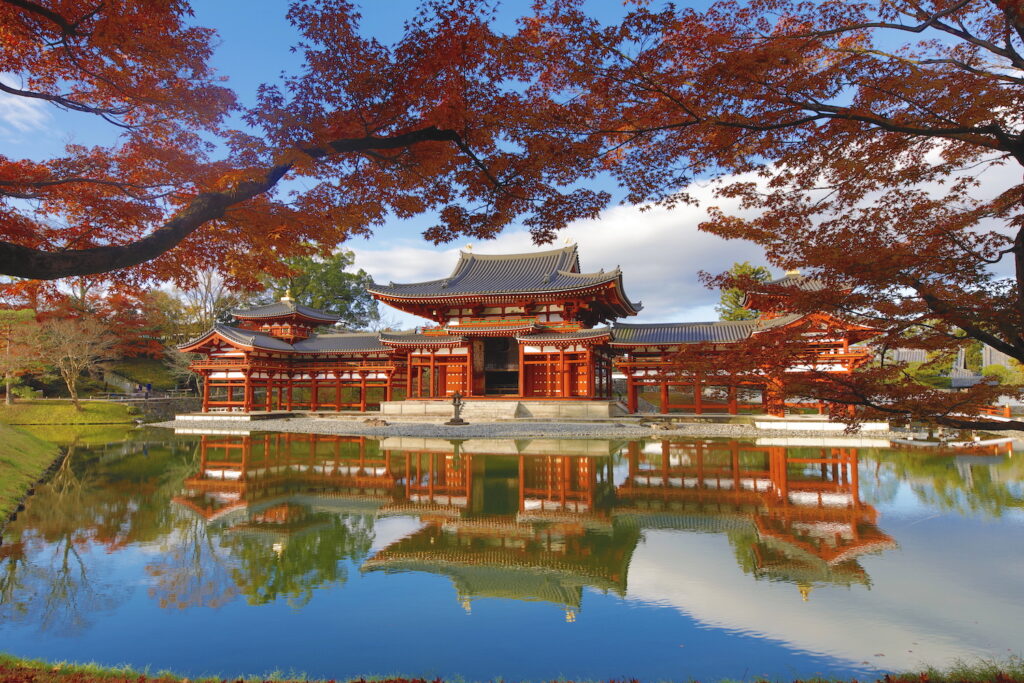
©️ Byodoin
Located in the nature-rich Uji-Tawara area, Shoju-in Temple is also called "Fu-ring-dera" (wind-bell temple) because it holds a wind-bell festival every summer. The famous "inome" window here is a cute heart-shaped window. Inome, which resembles a heart shape, is a traditional Japanese pattern and is meant to invite good fortune and ward off misfortune. After praying at the temple, take a memorable picture.
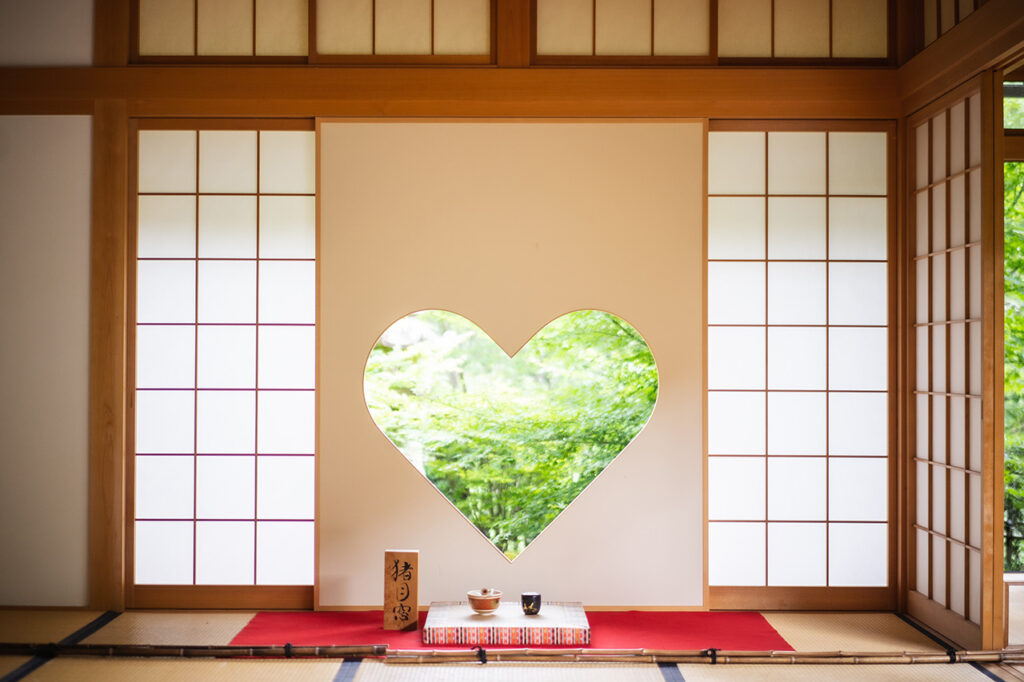

Seven to eight types of red seals are available, starting at 300 yen. Many of the red seals are accompanied by atmospheric paintings, which will bring a smile to your face.
Genkoan is a Zen temple of the Soto sect located in Takagamine. The main hall has a round window named "Window of Enlightenment" and a square window named "Window of Lostness," from which one can view the beautiful seasonal scenery of fresh greenery and autumn leaves. Once a month, regular zazen meditation sessions (free of charge) are held, so those interested should inquire in advance. Take some time to calm your mind away from the hustle and bustle of daily life.
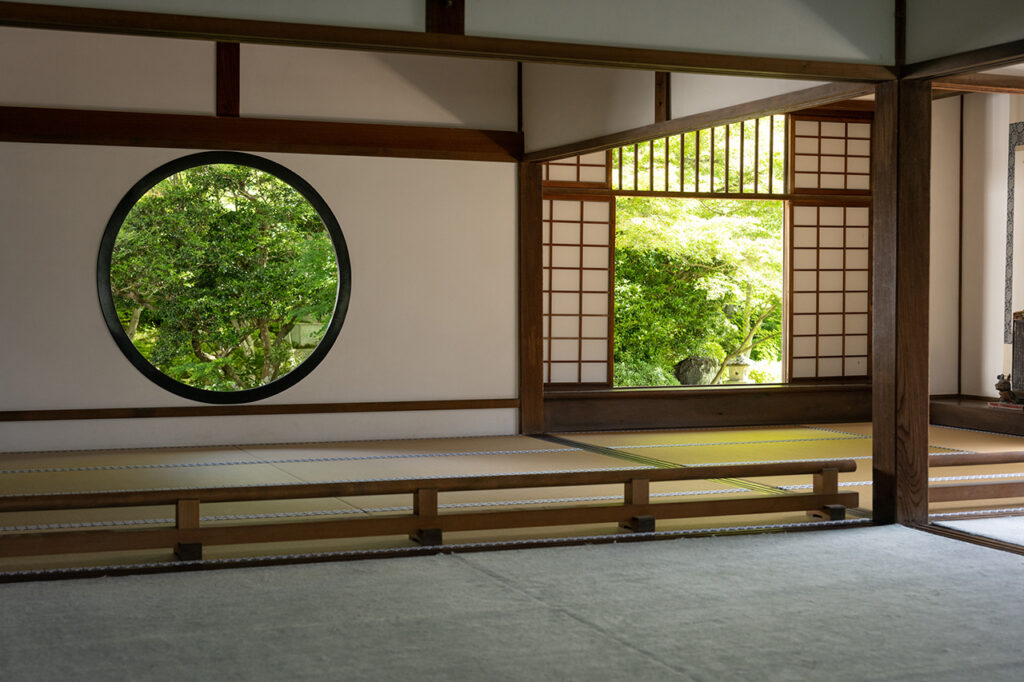
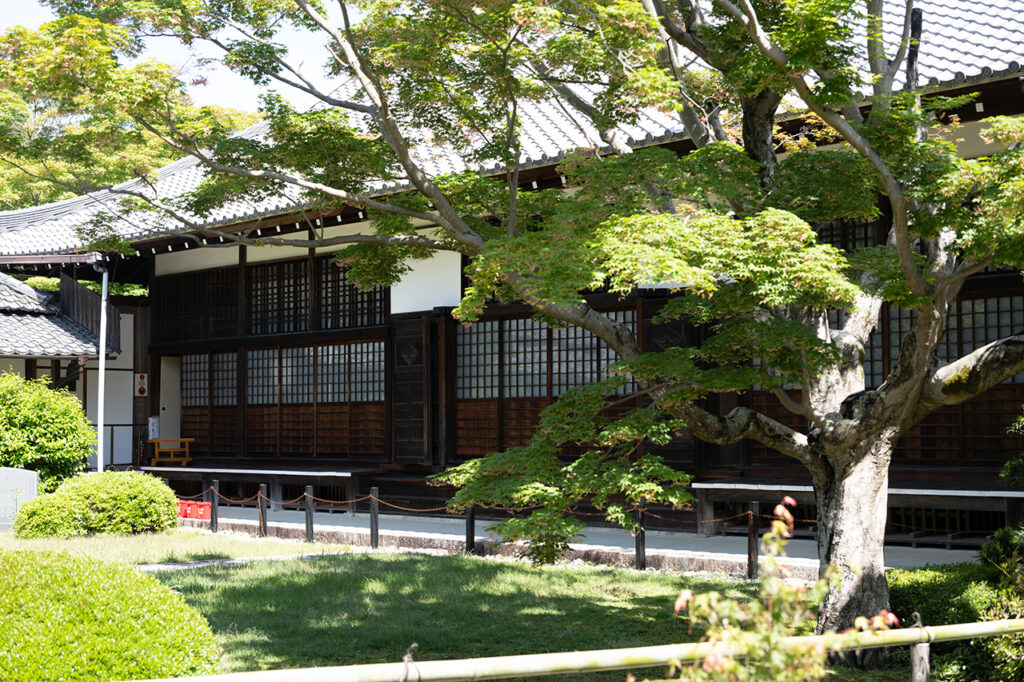
Quietly gazing at the swaying blue maples, I feel grateful that I am part of nature and that I am being kept alive.

Over 600 interviews per year! An order site carefully selected by the editors who knows Kyoto and Shiga.
nowOfficial LINE friend registration500 yen OFF coupon is being issued!

Distributed every Friday morning at 8:00 am! From new restaurant information to event information that we want to share with you, We deliver articles about Kyoto that are useful to know. About 20,000 people have registered.Click here to add a friend!
 News
News Feature article
 Featured event
![安藤忠雄建築[TIME'S]京都建築センター](https://www.leafkyoto.net/leaf/wp-content/uploads/2026/08/260807-times1-300x200.jpg)