

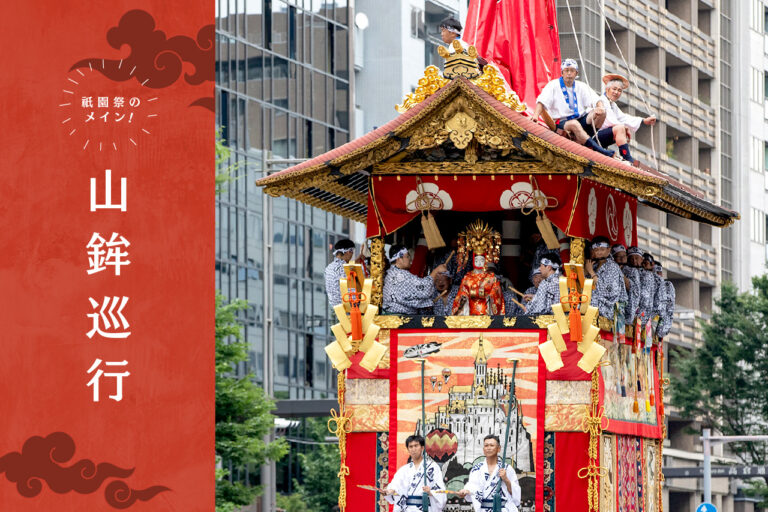
A beginner's guide to enjoying the "Gion Festival Yamaboko Junko



One of the three major festivals in Japan, Kyoto's Gion Festival has a history of more than 1,000 years. Various festivities are held during the month of July every year. During the Yoiyama period, when the festival is crowded with many people, it is possible to receive chimaki, which are good luck charms to ward off epidemics and other calamities. In this issue, we will introduce information on the sale of chimaki and the origin of each float. We will also cover other gifts other than chimaki, so please refer to them when you go to Yoiyama. (TEXT/Moko Shihara, PHOTO/Emi Masuda, EDIT/Miki Tamura)
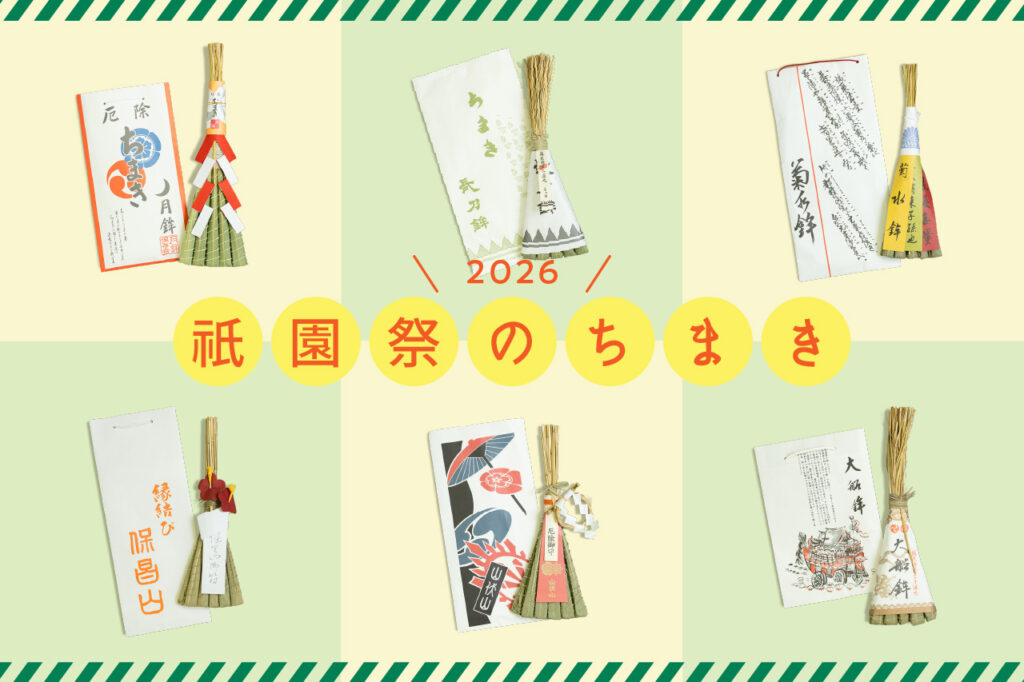
Chimaki, awarded during the Gion Festival, is a talisman made of bamboo leaves to ward off plague and misfortune.
The origin of this story is related to Susanoo-no-Mikoto, the main deity of Yasaka Shrine. When Susanoo-no-Mikoto asked for a place to stay for the night on his journey, a man named Sominshorai, though poor, treated him warmly. Susanoo-no-Mikoto was moved by the warm hospitality and promised to protect her from plague as a descendant of Somin-shorai if she wore a thatch ring around her waist. The thatch ring, which became a landmark, was made by wrapping a bundle of thatch around it, hence the name "chimaki," which in turn became known as "chimaki" or "zongzi. The bundle of chimaki is accompanied by a talisman inscribed with the words, "Su-Min-Shogai-Descendants" (蘇民将来子孫也).
In Kyoto, people hang hachimaki at the entrance of their houses to pray for good health, and return them to Yasaka Shrine or Yamahoko where they were given after one year.
Chimakis are usually given at the town hall of each float during the Yoiyama period of the Gion Festival. Yoiyama is the three-day period three days before, two days before, and one day before the Yamaboko procession on July 17 (Mae-matsuri) and July 24 (Goto-matsuri). Please note that the locations, period, and time of the chimaki awarding may be subject to change.
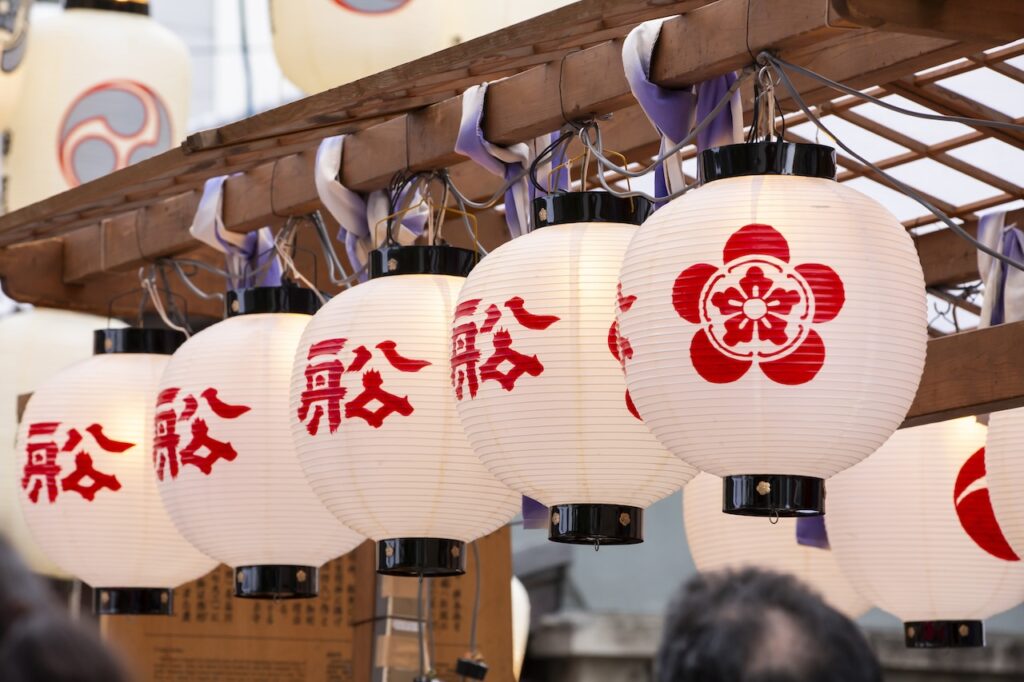
The Choto-hoko float is said to be the earliest of the Yamaboko floats and was built before the Onin War. It was originally dedicated by Munechika Sanjo Koukaji to Yasaka Shrine to pray for his daughter's recovery from illness, and a large long sword was hung at the head of the float. Since ancient times, it has led the Yamahoko-junko procession every year in the pre-matsuri festival as a float with no kuji-toriwazu. Today, it is the only float with a live child on it, and the cutting of the sacred rope by the child is one of the highlights of the procession. The long sword, believed to ward off disease and evil, is decorated with chimaki (a kind of sweetened rice cake) to ward off evil spirits.
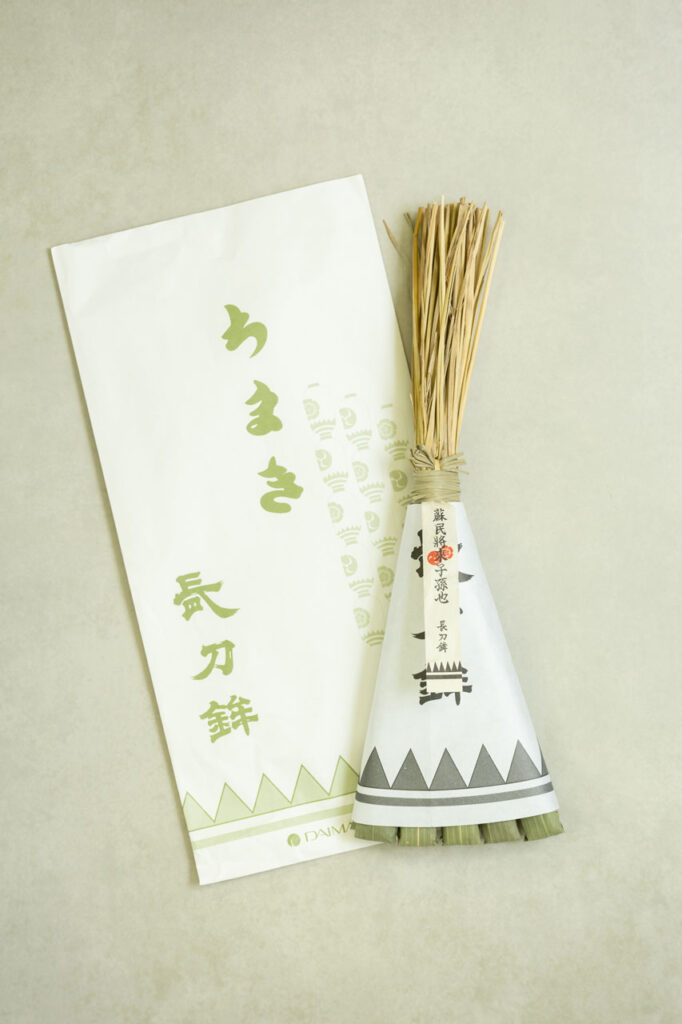
Name of the float: Naginataboko
Place of conferment / Choto-Hoko Preservation Society Town Hall
授与期間/7月13日(月)~16日(木) ※直接授与の規定本数に達し次第終了
授与価格/1300円
Hakodani float, which is the second largest float after Nagatohoko and the fifth largest in the entire procession, was destroyed by fire in 1788, but was rebuilt in 1839 after 50 years of restoration. It was named after the legend that during the Warring States period in China, Meng Tze-kun of the Qi Dynasty was able to escape from the Hakodani Pass thanks to a shokunin who imitated the sound of a clucking chicken. The "heavenly king's throne" in the middle of the maki is dedicated to Mengtae-kun, with a male and female chicken below him. The outer bag that holds the chimaki to ward off bad luck has a drawing of the entire float on it, impressing with its imposing appearance.
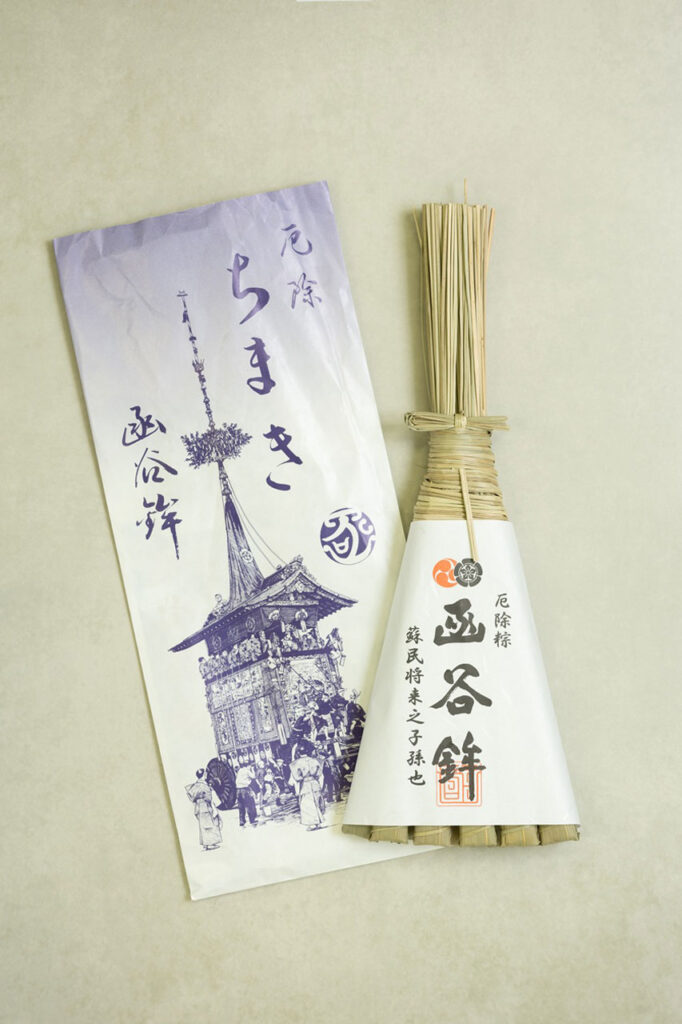
Name of the float: Kankoboko
Place of conferment: Hakodani-Hoko Town Hall
授与期間/7月13日(月)~16日(木)
Award price / 1,500 yen
[Tsukiyomi-no-Mikoto is the deity of water and rules the night, and is often associated with the moon and water. The crescent moon on the head of the float is made of 18-karat gold, and there are also carvings of rabbits said to have been made by Jingoro Sa and attic paintings by Okyo Maruyama, as well as other excellent craftwork and decorations throughout. The chimaki, decorated with red and white paper, also conveys the glamorous appearance of the Hoko, which is praised as a "moving museum.
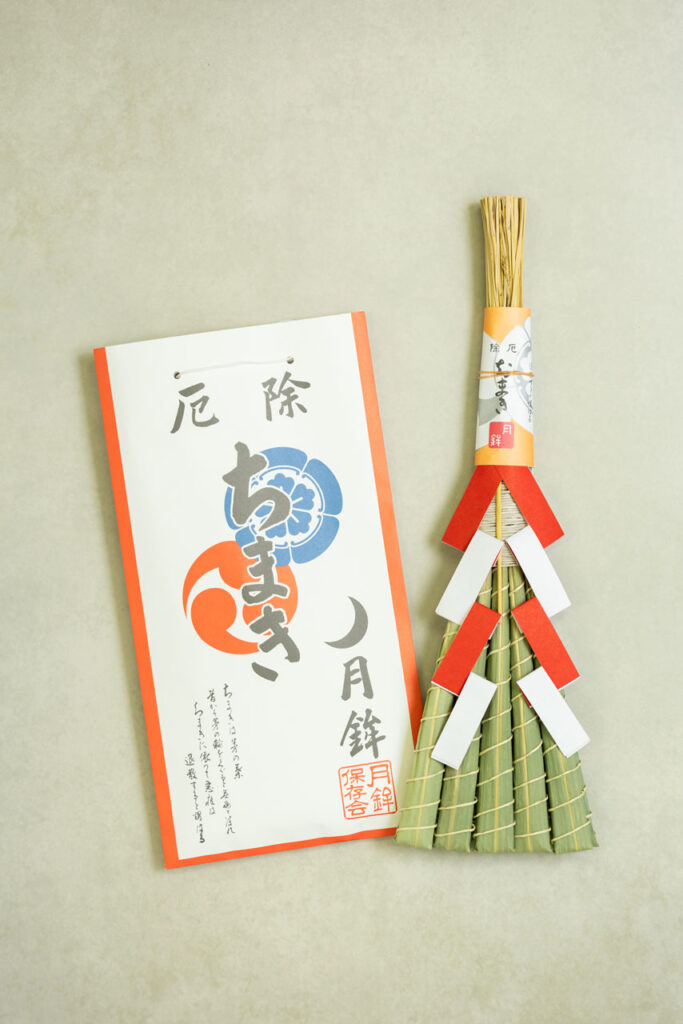
Name of the float: Tsukihoko
Place of conferment / Tsukiboko Town Hall
授与期間/7月13日(月)~16日(木)
Award price/1,000 yen

Over 600 interviews per year! An order site carefully selected by the editors who knows Kyoto and Shiga.
nowOfficial LINE friend registration500 yen OFF coupon is being issued!
Distributed every Friday morning at 8:00 am! From new restaurant information to event information that we want to share with you, We deliver articles about Kyoto that are useful to know. About 20,000 people have registered.Click here to add a friend!
 News
News Feature article
 Featured event