

一度は行きたい!名店揃いの京都駅周辺のラーメン店1...


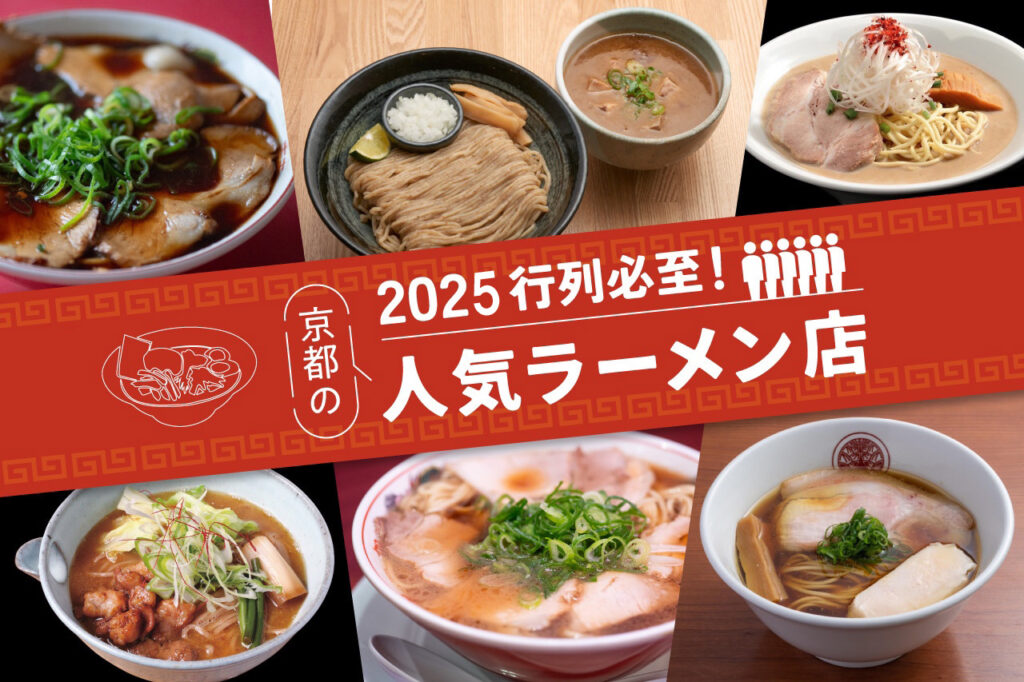

Kyoto is known as one of the most competitive ramen areas in Japan. Kyoto is known as one of the most fierce ramen battlegrounds in Japan, and ramen lovers gather from all over the country to taste a wide variety of ramen, from long-established favorites to newer styles. We have selected popular ramen restaurants located in Kyoto Station, Kawaramachi, Ichijyoji, and other areas of Kyoto that you should not miss if you visit Kyoto. Let's go on a ramen tour in search of your ideal flavor. The numbers in front of the store names are not in the order of recommendation or ranking. (TEXT/Hana Toba, Koto Sakurai, EDIT/Moe Sawamura, Miki Tamura)
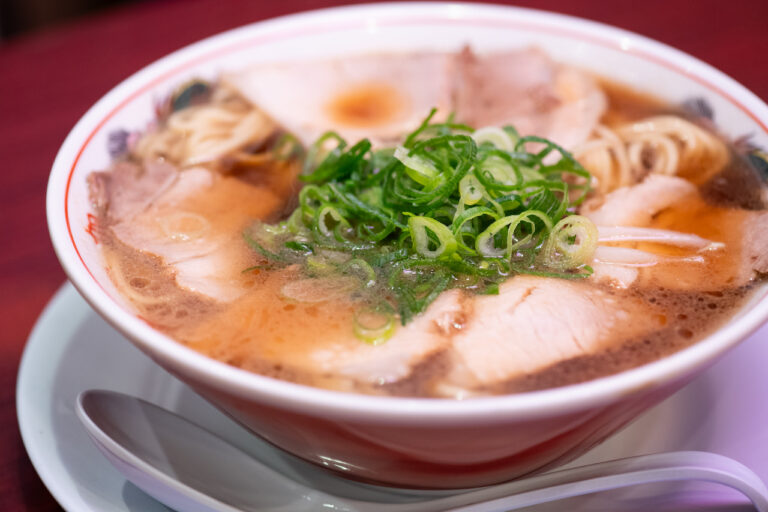
Honke Daiichi-Asahi Honten" was established shortly after the end of World War II and has been welcoming people at the entrance to Kyoto. The lines that form early in the morning can be said to be a Kyoto specialty. The ramen is pork-based and soy sauce-flavored, and the soup is made by cooking it in a short period of time to extract only the flavor, which goes well with the medium-thick noodles made from a blend of several flours and aged to dryness. The noodles are made by Kondo Seimen, the soy sauce by Gokou Soy Sauce, and the kujo onions and mung bean sprouts are also from Kyoto. It is truly a bowl of condensed local delicacies.
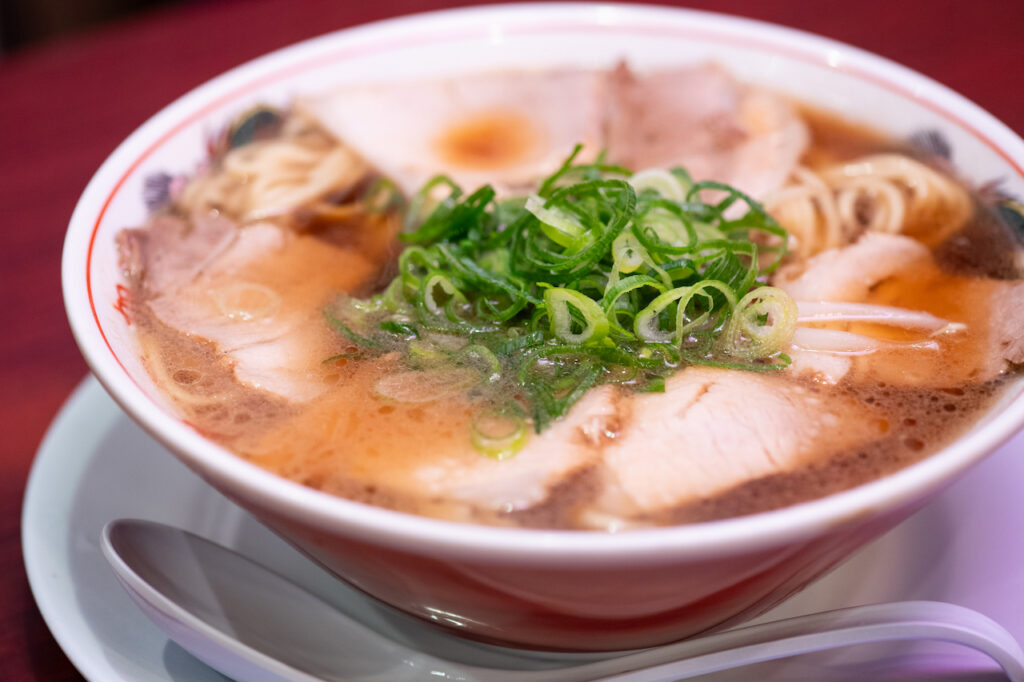
Ramen 940 yen. Only pork with a perfect balance of fat and meat, called "Chudaikan," is used for the roasted pork. The noodles are refreshing to the taste and have a good firmness.
RAMEN DATA
▶︎ Tare (Kaeshi) / Soy sauce
▶︎ soup/pork bone
▶︎ noodles/medium-thick straight noodles
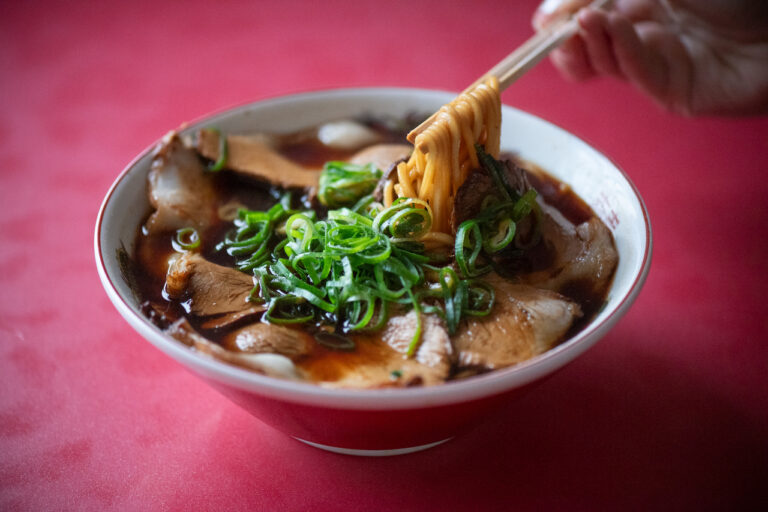
Shinpuku Sankan started out as a Chinese noodle stall in 1938 and has since expanded nationwide. It is one of the most famous restaurants in the history of ramen in Kyoto. The main store is visited not only by locals but also by fans from all over the country, with lines forming from the time the store opens at 9:00 a.m. The distinctive feature of the ramen is the dark-colored Chinese noodle soup. The original soy sauce broth is simple but has a lingering taste that makes you want to eat it again and again. The fried rice, which has many fans, must be ordered together with the Chinese noodles.
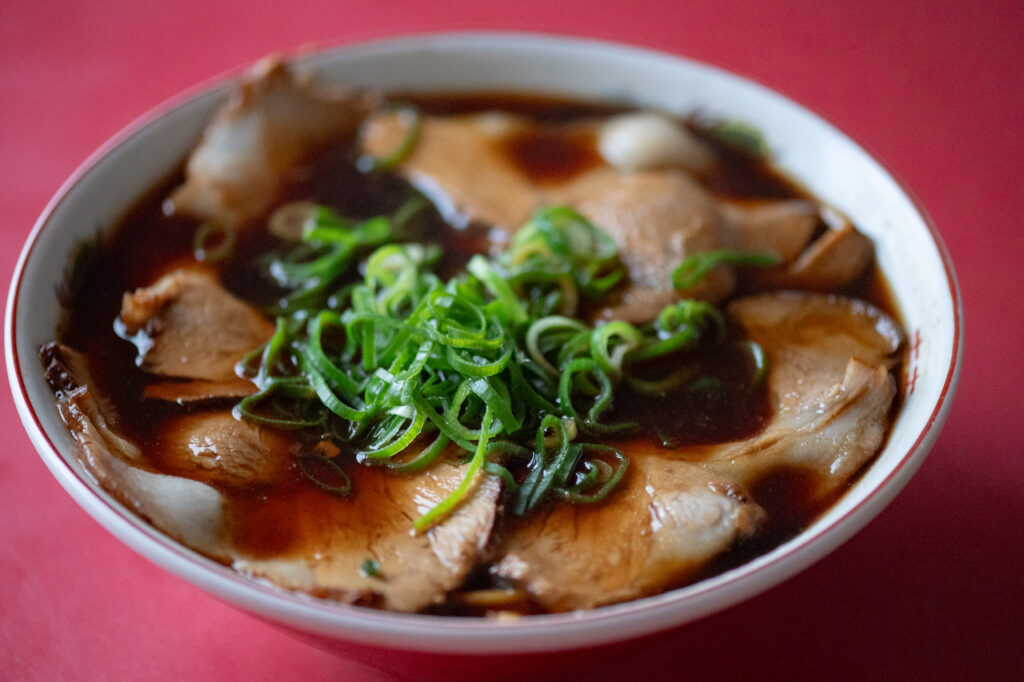
Chinese noodles (ordinary) 850 yen. Medium-thick straight noodles topped with green onions, bean sprouts, and chashu pork. The soup is dark in color, but surprisingly light.
RAMEN DATA
▶︎ Tare (Kaeshi) / Soy sauce
▶︎ soup/pork bone, chicken bones
▶︎ noodles/medium-thick straight noodles
Inoichi Menya has been selected as a Michelin Bib Gourmand restaurant for nine consecutive years. The reason for its popularity is its soup, which is made from 100% seafood broth without using any animal fat such as pork or chicken. The broth is made by blending several kinds of carefully selected top-quality fish knots and extracting them slowly at a low temperature, and is full of seafood flavor. The homemade noodles, made of stone-ground whole wheat flour, are thin but firm, and go well with the soup.
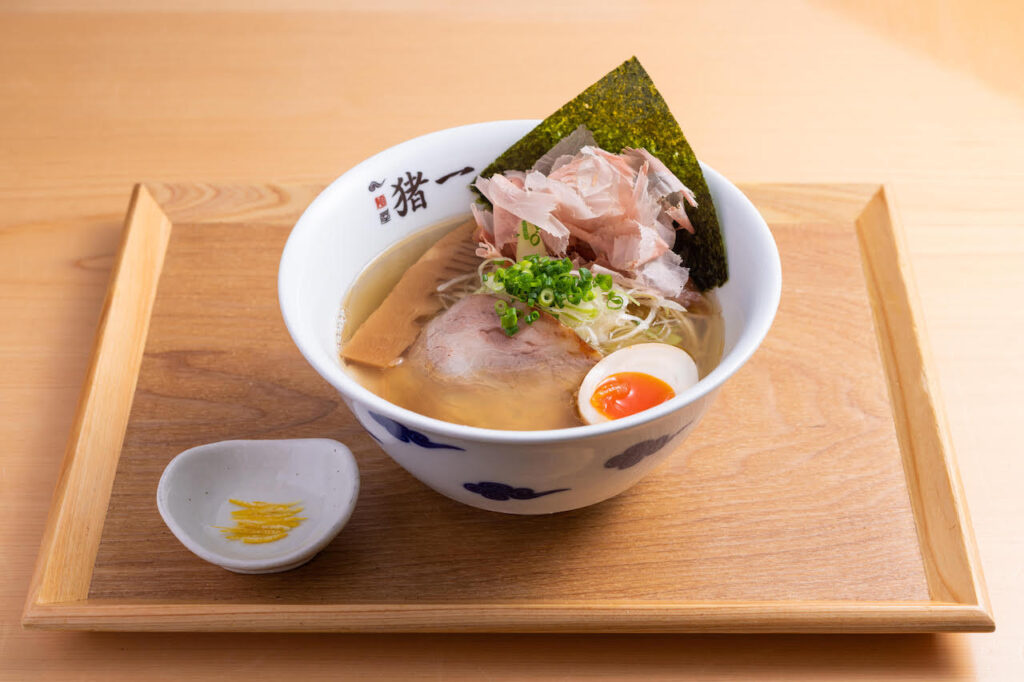
Dashi-soba (white soy sauce) 1,400 yen. Topped with a homemade akadama (half ball) seasoning (150 yen). The unique sweetness of white soy sauce matches the 100% seafood broth.
RAMEN DATA
▶︎ Tare (Kaeshi) / Soy sauce
▶︎ soup/seafood
▶︎ noodles/straight thin noodles
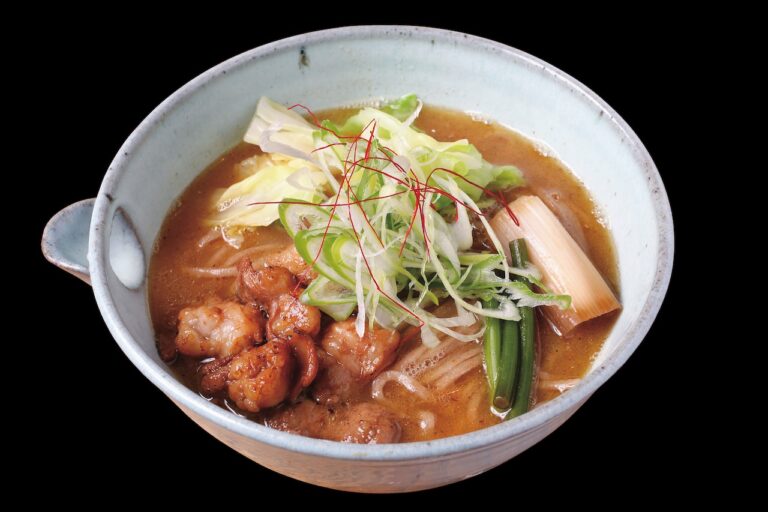
This is the third branch of "Menya Takakura Nijo," which draws a long line every day. The restaurant is located in a traditional Kyoto townhouse and serves "Motsusoba" with freshly seared and savory motsu (small fish balls). The toppings, which are seared after the order is placed, add to the richness and flavor of the soup, which is made from a large amount of chicken stock and dried sardines. The fresh, plump motsu goes well with the cabbage and green onions. We also recommend adding a raw egg to make it sukiyaki style.
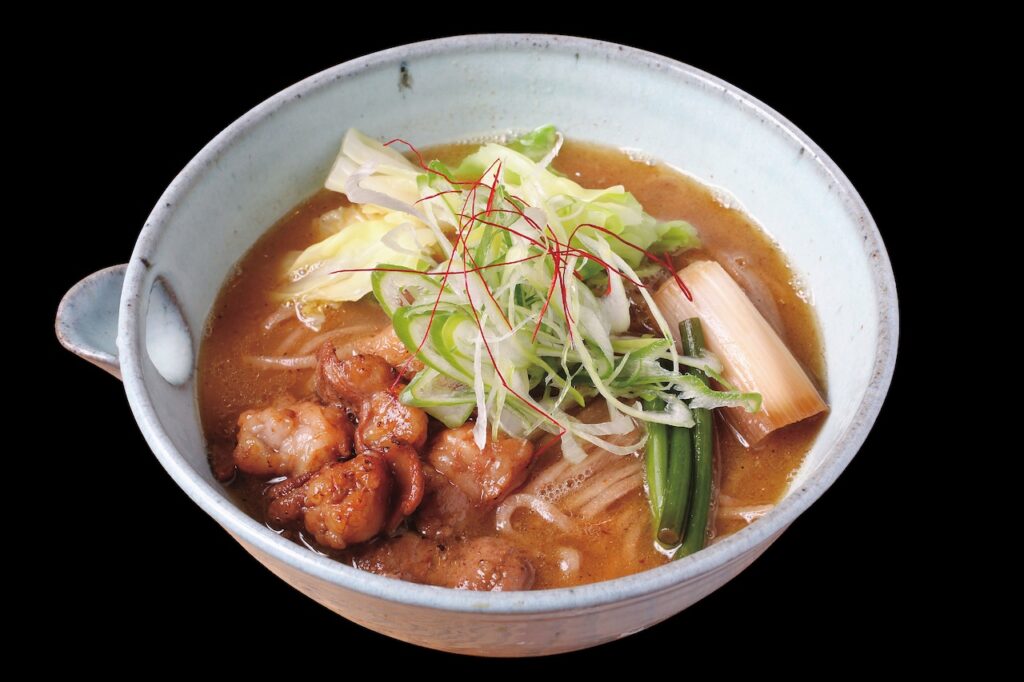
Motsuba Soba Noodle 1,200 yen. Flavorful homemade whole wheat noodles have a unique chewy texture and go well with the soup!
RAMEN DATA
▶︎ Tare (Kaeshi) / Soy sauce
▶︎ Soup / Chicken stock, dried sardines, soy sauce
▶︎ noodles/medium-thick straight noodles
Menya Sanda is owned by the owner, who trained at the famous Ginjo Ramen Kubota for about seven years. The signature dish, tsukemen (dipping noodles in chicken white soup), features a soup made with only chicken and water to create a clean flavor. The chicken is carefully prepped and no unnecessary ingredients are added, resulting in a flavorless finish. Although the soup is thick and rich, there is no lingering odor or heaviness, and it has a reputation for a flavor that one never gets tired of.
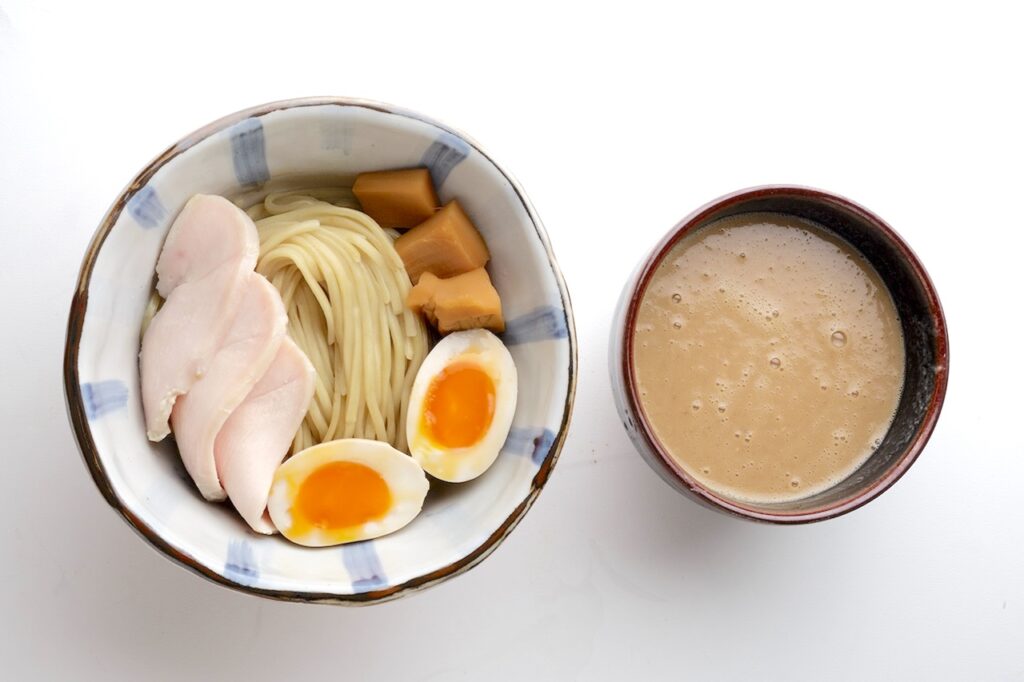
Tsukemen is available for 1,000 yen, topped with a half-boiled egg for 100 yen. The flavorful homemade noodles kneaded with roasted embryo buds are also noteworthy!
RAMEN DATA
▶︎ Tare (Kaeshi) / Soy sauce
▶︎ soup/chicken
▶︎ noodles/straight thick noodles
Over 600 interviews per year! An order site carefully selected by the editors who knows Kyoto and Shiga.
nowOfficial LINE friend registration500 yen OFF coupon is being issued!
Distributed every Friday morning at 8:00 am! From new restaurant information to event information that we want to share with you, We deliver articles about Kyoto that are useful to know. About 20,000 people have registered.Click here to add a friend!
 News
News Feature article
 Featured event
![安藤忠雄建築[TIME'S]京都建築センター](https://www.leafkyoto.net/leaf/wp-content/uploads/2026/08/260807-times1-300x200.jpg)