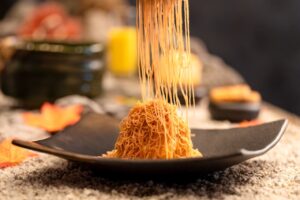


京都の紅葉名所[浄住寺]で[鶴屋吉信]の和菓子提供...



Founded in 784 (Enryaku 3). When the capital was moved from Heijo-kyo to Nagaoka-kyo in Nara, a branch of the deity of Kasuga-taisha, which was the Fujiwara clan's family deity, was invoked as the guardian deity of the new capital, and enshrined at the foot of Mount Koshio, which was the beginning of Oharano Shrine. The shrine is now known for its prestigious status as the first branch shrine among the thousands of Kasuga shrines in Japan.
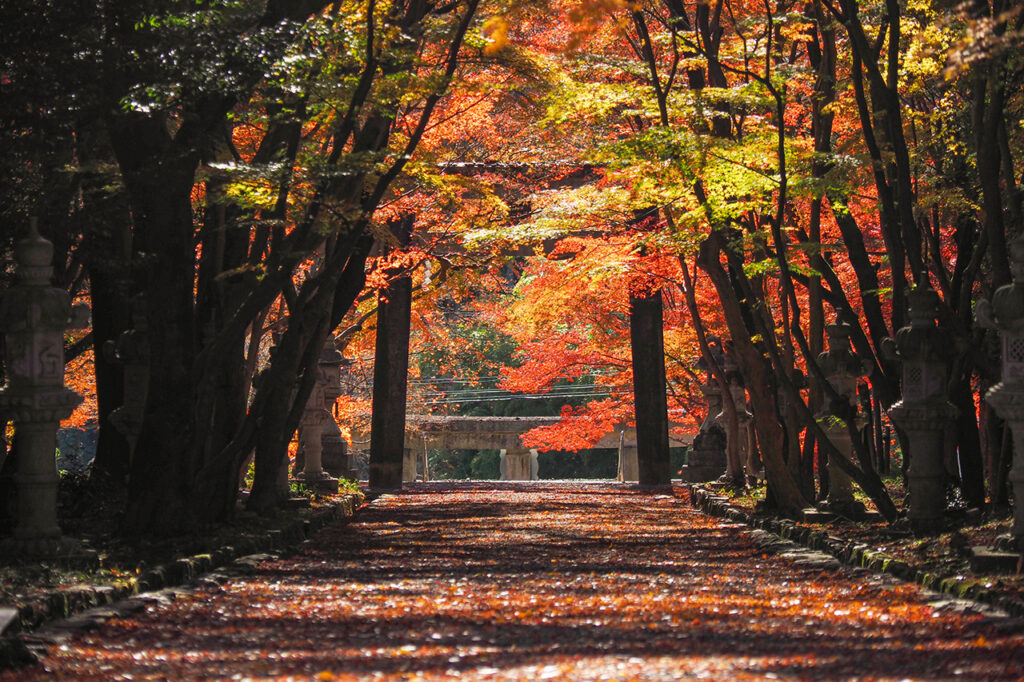
In autumn, the precincts are dyed in the red of autumn leaves, and you can pass through a tunnel of brocade, and in spring, you can see the phantom Senganzakura.
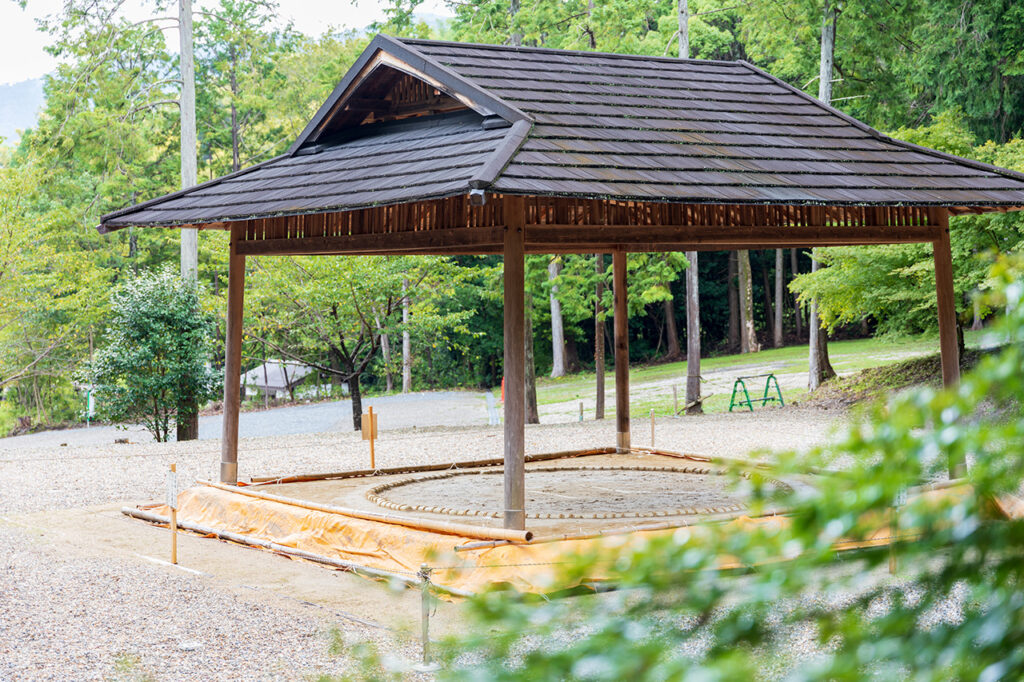
The Otagari Festival is held on the second Sunday of September every year to offer thanks for a bountiful harvest. During the festival, sumo wrestling is held to dedicate to the gods. It has been dedicated to the gods as a prayer for the co-prosperity of the region by having sumo wrestlers from the surname "Saito", which is common in the north of the shrine, and the surname "Hata", which is common in the south. It is also designated as an intangible folk cultural property of Kyoto City.
[Cherry blossom viewing information]
Best time to see: late March to early April
Visiting hours/Admission fee: Same as regular visit
[Autumn Foliage Season Information]
Best time to see/usually mid-November to late November
Visiting hours/Admission fee: Same as regular visit

Over 600 interviews per year! An order site carefully selected by the editors who knows Kyoto and Shiga.
nowOfficial LINE friend registration500 yen OFF coupon is being issued!

Distributed every Friday morning at 8:00 am! From new restaurant information to event information that we want to share with you, We deliver articles about Kyoto that are useful to know. About 20,000 people have registered.Click here to add a friend!
 News
News Feature article
 Featured event