


Feel the history and beauty of Kyoto! [Guide to Tofukuji Temple


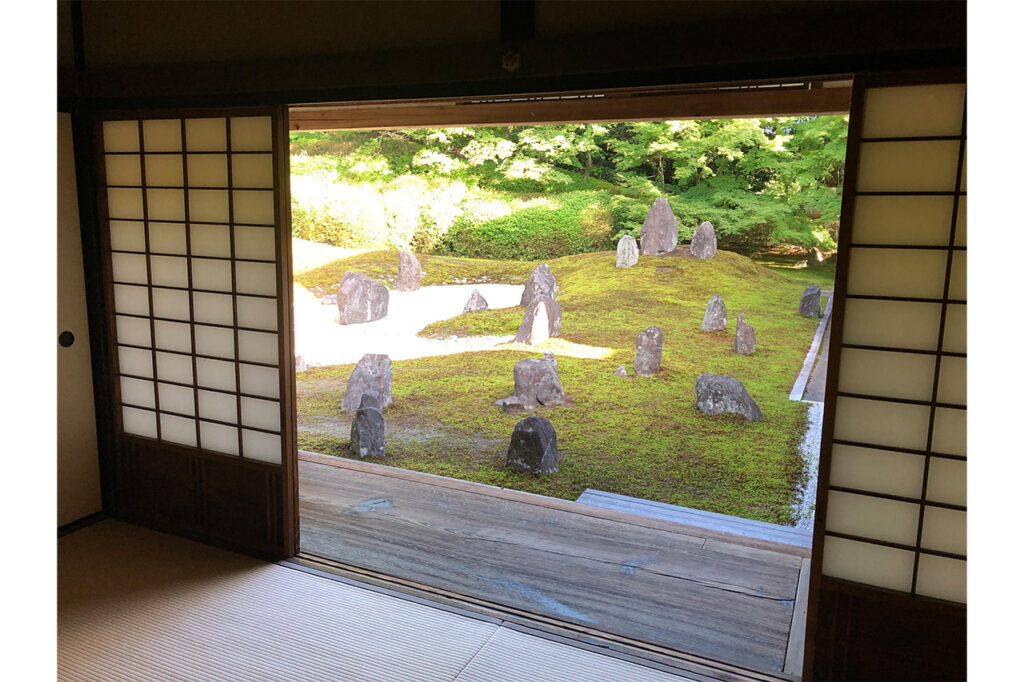

Have you ever visited a place for the first time and felt a sense of nostalgia? This place, [Kōmyō-in], is a hidden gem that evokes just that feeling.
[Kōmyō-in] was founded in 1391 (Meitoku 2), at the beginning of the Muromachi period, as a sub-temple (a small temple or hermitage built by disciples of a founding master or eminent monk in a Zen temple to honor their memory after their death) of [Tōfuku-ji].
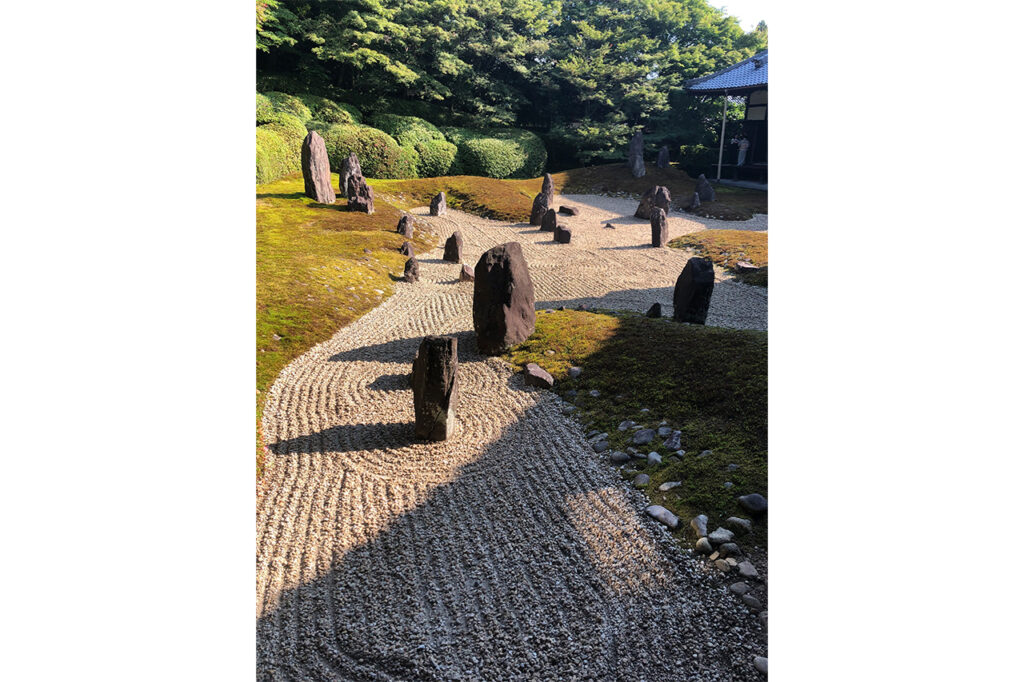
As you walk along the beautiful cobblestone path and step inside (admission is 500 yen), you’re greeted by an interior reminiscent of a traditional Japanese house. It gives you a sense of comfort, as if you’ve returned to the countryside—but with one key difference: set further back is a dynamic dry landscape garden designed by Mirei Shigemori.
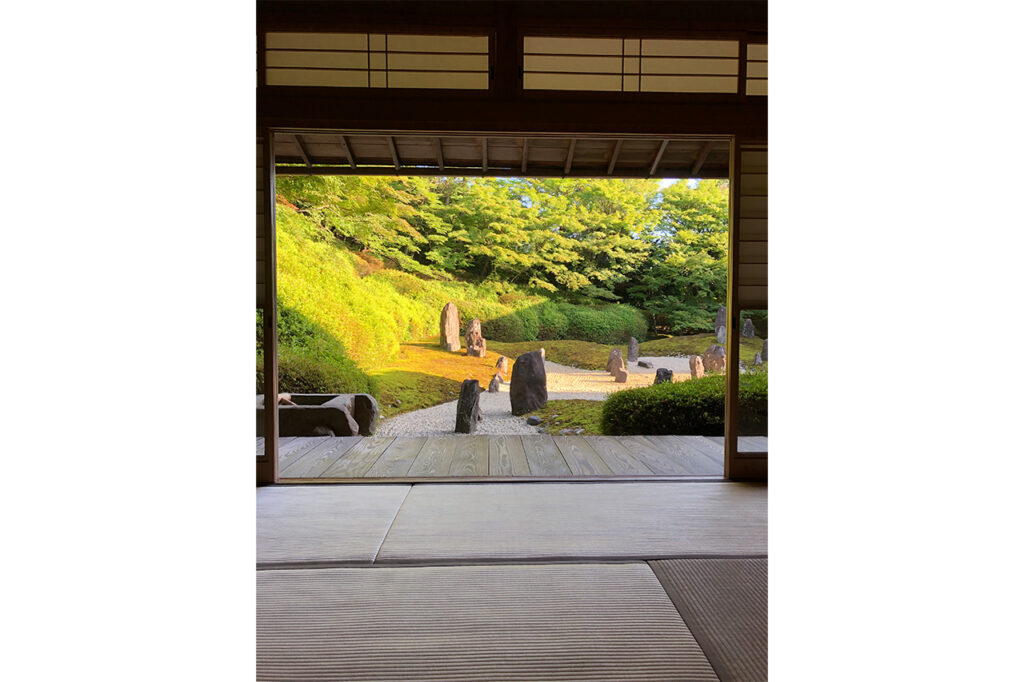
Mirei Shigemori was a landscape architect active in the early Shōwa period. The “Hashin-tei” garden at [Kōmyō-in] is said to embody Shigemori’s philosophy of the “living garden,” incorporating the passage of time, wind and rain, and all the workings of nature to enhance the garden’s beauty.
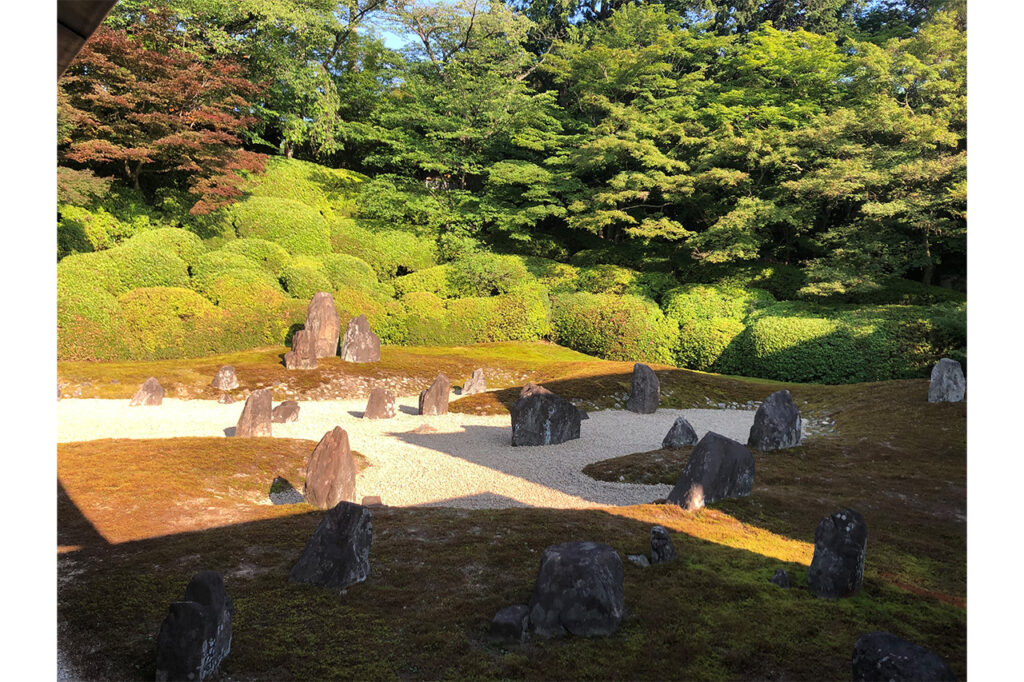
Known as the “Rainbow Moss Temple,” it showcases a stunning harmony of moss and sand.
However, what’s amazing about this garden is that even if you don’t fully understand the concept of kare-sansui, you can still sense its magnificence.
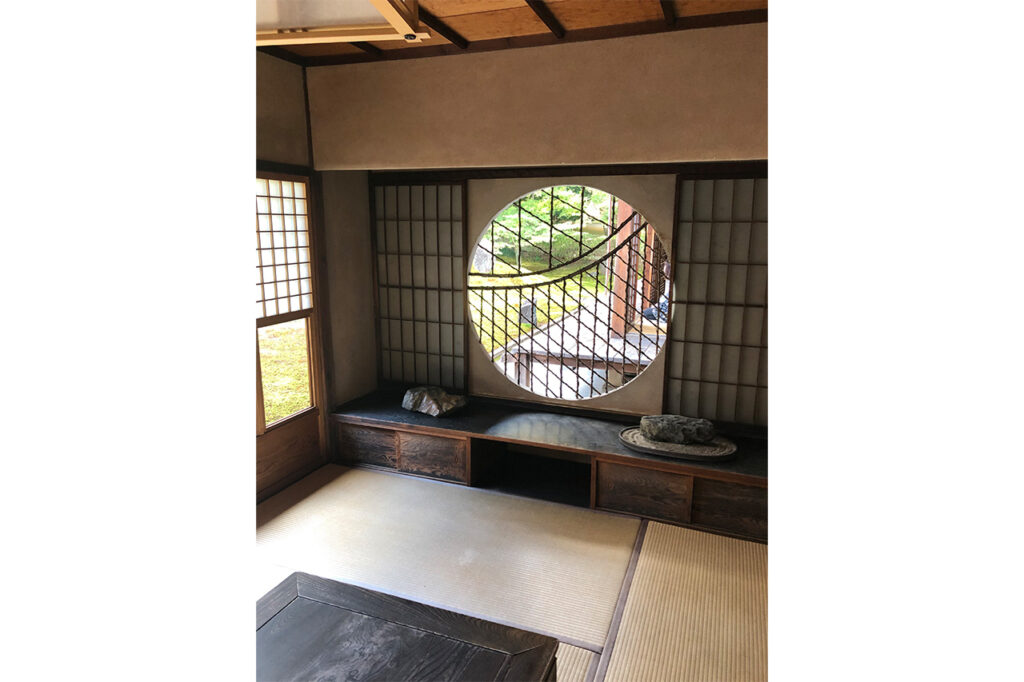
Inside the temple grounds, there are rooms with tatami mats, rooms with desks, and a tea house situated on a slight hill, allowing visitors to view the garden from various vantage points.
Spending time gazing leisurely at the garden, forgetting the time and letting your mind go blank, might feel like a luxury.
We really hope you'll stay here for at least 30 minutes.
That's because, if you stay for a while, you'll encounter changes in nature.
As a dramatic, sweeping view, the azaleas and satsuki azaleas at the back of the garden rustle softly when the wind blows, making me realize that a waterfall somewhere is making the sound of flowing water.
When clouds drift by, the garden seems to shimmer, and it’s truly beautiful.
Combined with the cozy atmosphere, I lose track of time and before I know it, it’s evening.
Of course, as dusk falls, the garden is once again beautiful in the glow of the sunset, but around this time, you can hear the cheerful voices of the children from the nearby kindergarten.
Hearing that voice, I—who had been gazing at a scene that seemed like a dream—was snapped back to reality.
I can return home feeling happy that the time I spent here was not a dream but reality, and that it has been etched into a day of my life.
If you happen to be near [Tofukuji], this is definitely a place you should make a point of visiting.
[Kōmyō-in] is a 7-minute walk from Toba Kaidō Station and a 15-minute walk from Tōfuku-ji Station.
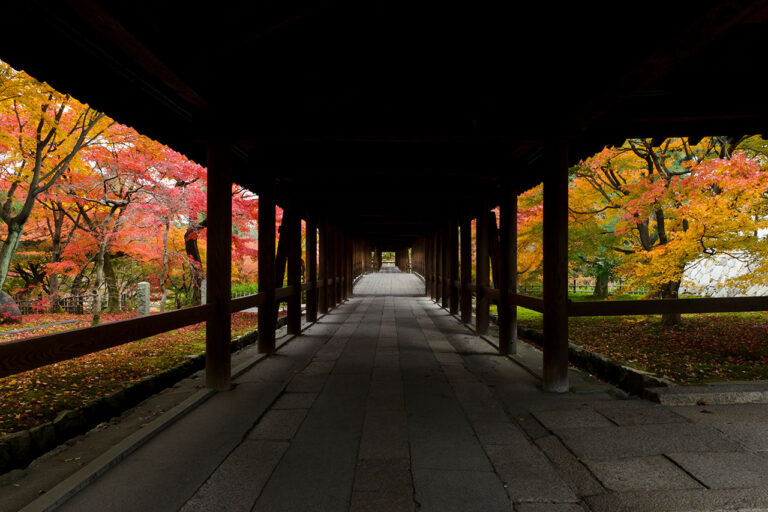
Although it’s closer to go from Toba Kaido Station, if you’re coming from Tofukuji Station, we recommend taking the route that goes over Goun Bridge at [Tofukuji].

Over 600 interviews per year! An order site carefully selected by the editors who knows Kyoto and Shiga.
nowOfficial LINE friend registration500 yen OFF coupon is being issued!

Distributed every Friday morning at 8:00 am! From new restaurant information to event information that we want to share with you, We deliver articles about Kyoto that are useful to know. About 20,000 people have registered.Click here to add a friend!
 News
 Feature article



PR

 Featured event