

![安藤忠雄建築[TIME'S]京都建築センター](https://www.leafkyoto.net/leaf/wp-content/uploads/2026/08/260807-times1-300x200.jpg)


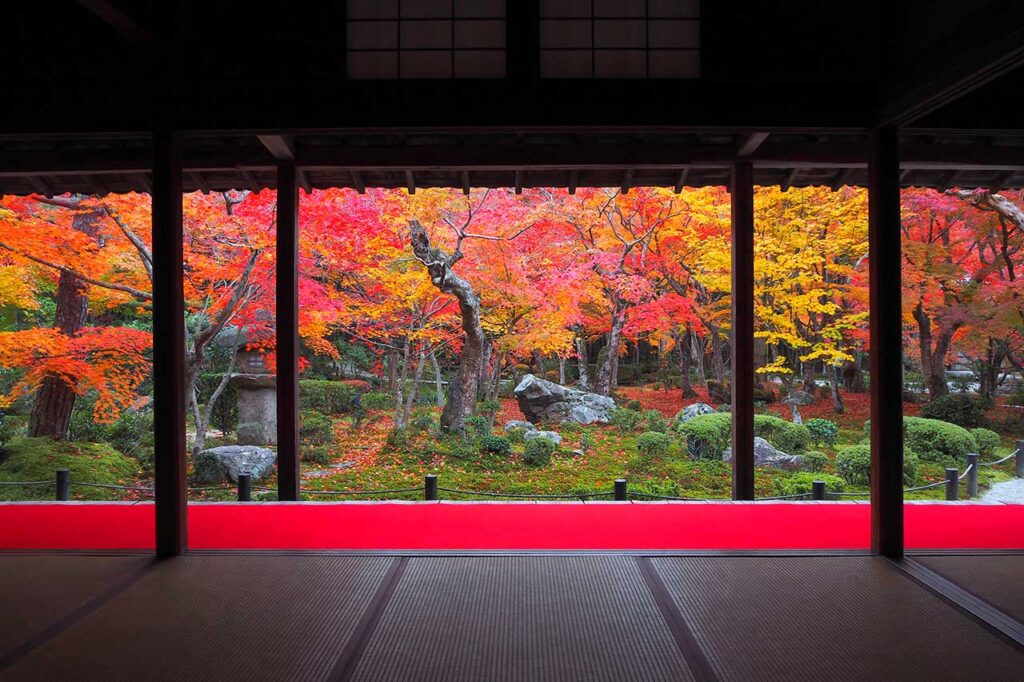

We have carefully selected temples recommended by our local editorial staff from our autumn foliage specials, where you can experience gardens and sutra chanting even on a sudden rainy day. We hope you will make use of this information when sightseeing in Kyoto, where the autumn leaves are now at their best.

From the best places to view the autumn leaves to the worst spots, we will guide you along with the best time to view the leaves.
Information on lighting up
Zuishin-in Temple is a temple associated with Ono no Komachi and known for its ume plum blossoms. The temple is known as a temple associated with Ono no Komachi and a popular spot for viewing ume plum blossoms. In addition, there are many other attractions such as fusuma-e (sliding door paintings) by a contemporary artist that are attracting attention as a photo spot.
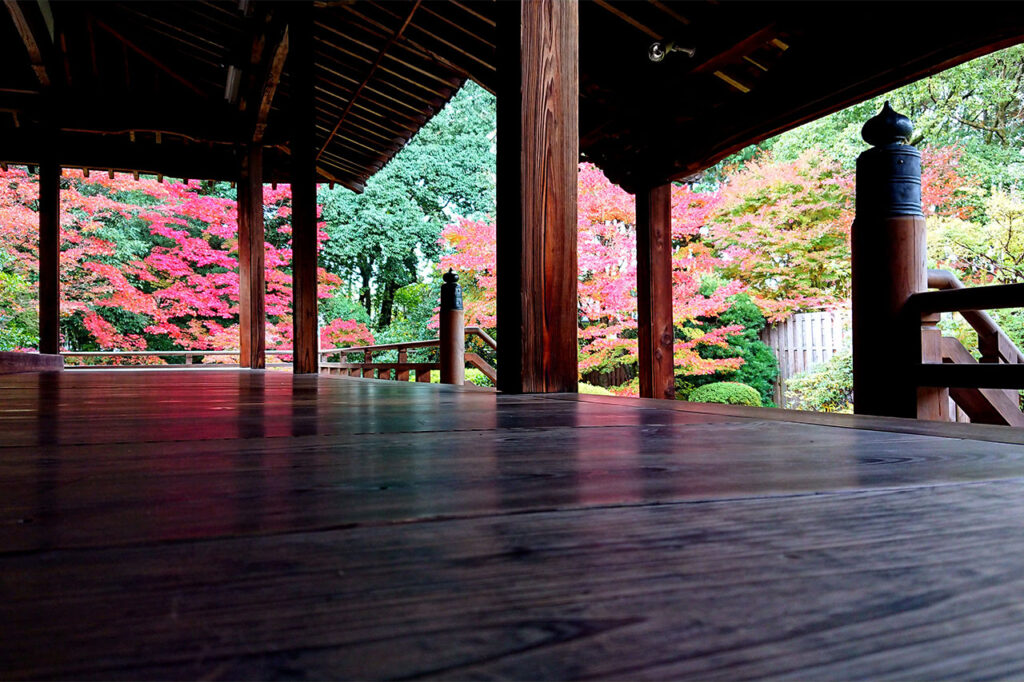
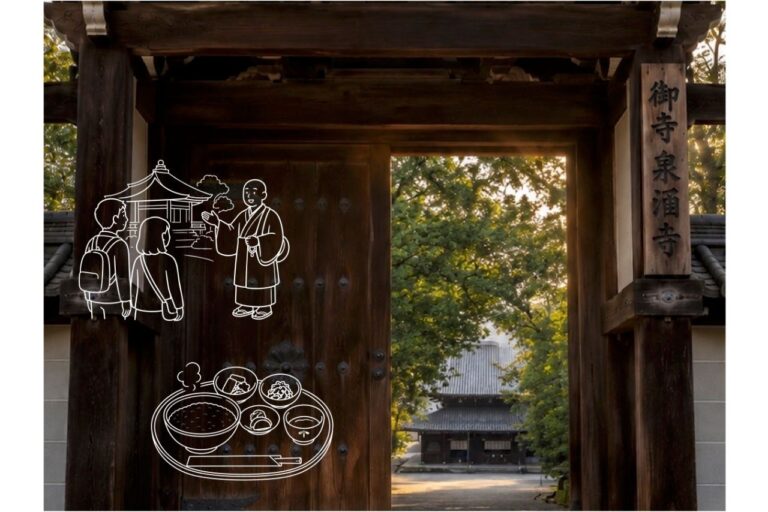
Experience Shakyo and Shabutsu copying
Reception hours/9:00-14:00
Time required: 1 to 2 hours (depending on the type of Buddha you choose)
Dedication fee / 2,000 yen (including entrance fee)
How to apply: Call (same-day applications accepted) *There are cases when the experience is not available due to Buddhist memorial services or events.
The temple is the head temple of the Tofukuji School of the Rinzai Sect of Zen Buddhism, which boasts a magnificent temple complex.
From Tsutenkyo Bridge on the temple grounds, which is also known for its autumn foliage, visitors can view the fresh green foliage from May to June and the magnificent autumn colors from mid to late November. The valley, dyed in various colors of crimson and yellow, is breathtakingly beautiful.
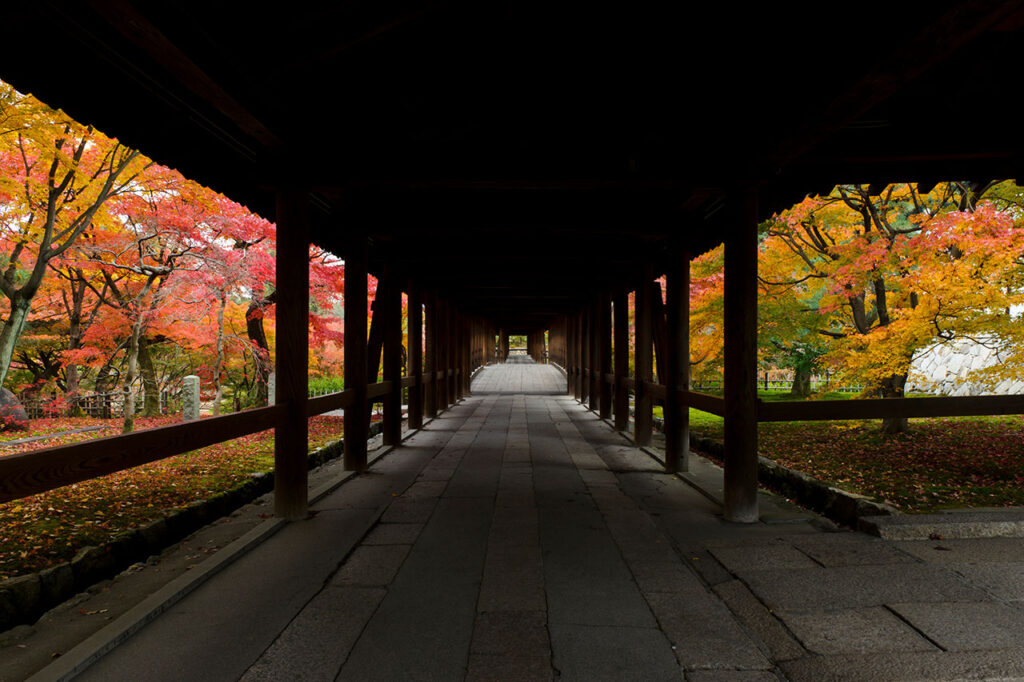
In 1202 (Kennin 2), Minamoto no Yoriie donated the temple grounds, and Eisai, the founder of the Rinzai sect, opened it as the oldest Zen temple in Kyoto and one of Kyoto's five great temples.
The Hojo garden, the courtyard, and the garden of ○, △, △, and □ are beautiful gardens with a sense of dryness. You can also experience sutra copying and zazen meditation, so you can spend some time with yourself.
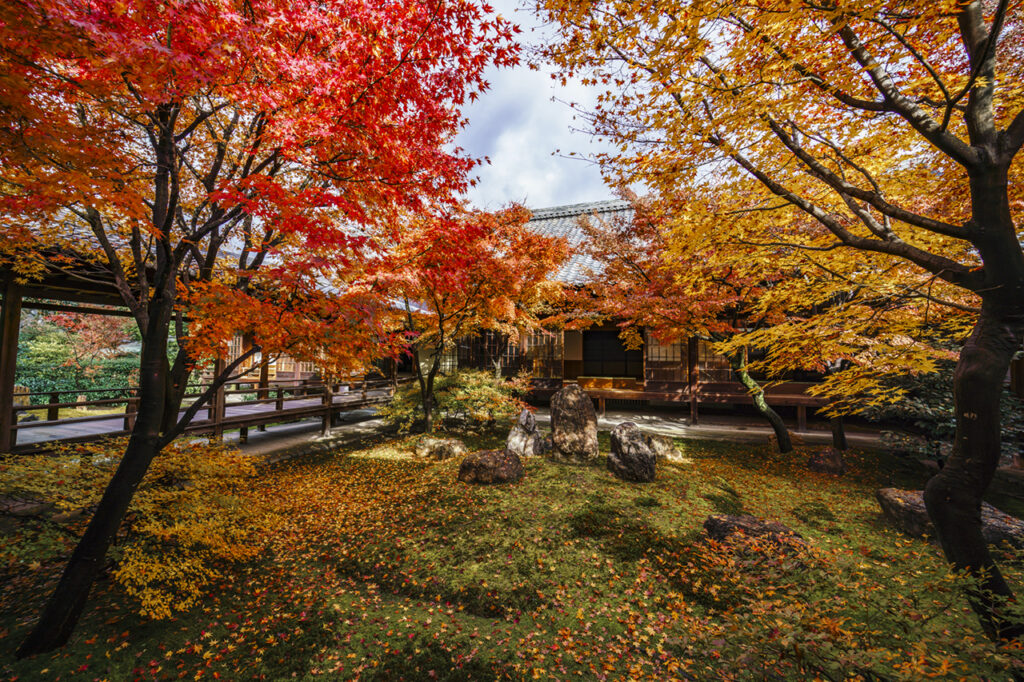
Zazen Experience
Schedule/Confirmation required on the hospital's website.
Duration: 90 minutes (preparatory exercises, explanation of zazen, zazen, Dharma talk)
Fee: 2,000 yen (including visit to the Gohonzon, tour of the garden, and free meditation) *Photographing of the garden is permitted.
Application method: WEB or by phone (Applications accepted up to 1 hour before the start time)
Other/Insect repellent, sweat towels, and water are recommended during the summer season.
Officially known as Daikakuji Temple, also called Saga Gosho or Saga Gosho, it is the head temple of the Daikakuji School of Shingon Buddhism.
The reflection of maple leaves on the surface of Osawa Pond, known as one of the three best places to view the moon in Japan, is also very atmospheric, and you can see various expressions of the autumn leaves.
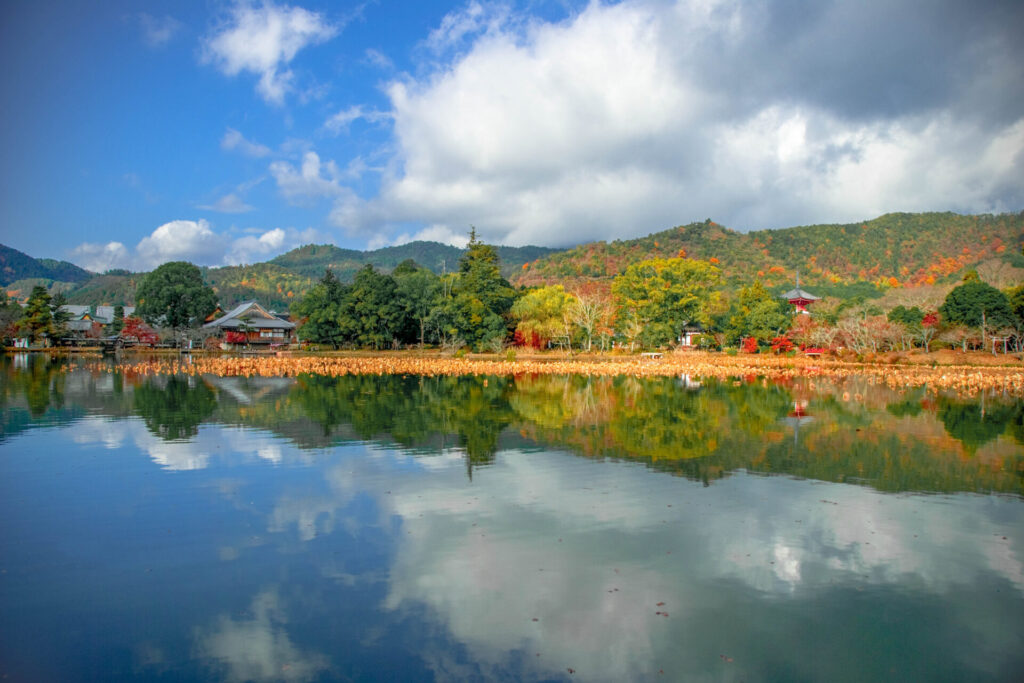
The temple was opened by Tokugawa Ieyasu in 1601, and the oldest existing woodblock print of Buddhist scriptures in Japan.
It is also known for housing some of the finest Japanese artworks, including the "Sente Kannon Zo" by Unkei and the "Chiku-rinzu Byobu" by Maruyama Oken. The autumn leaves and fresh greenery in the garden, which can be viewed while sitting on a tatami mat in the shoin (drawing room), are as beautiful as if they were a painting.

Over 600 interviews per year! An order site carefully selected by the editors who knows Kyoto and Shiga.
nowOfficial LINE friend registration500 yen OFF coupon is being issued!

Distributed every Friday morning at 8:00 am! From new restaurant information to event information that we want to share with you, We deliver articles about Kyoto that are useful to know. About 20,000 people have registered.Click here to add a friend!
 News
News Feature article
 Featured event