

[Kyoto's little-known spot] Green maple spot - Changed from 400 years ago...



Kozan-ji Temple is famous for its world heritage sites, national treasures, and caricatures of animals and animals, but I would like to mention Myoe Shonin, who revived the temple in the Kamakura period.
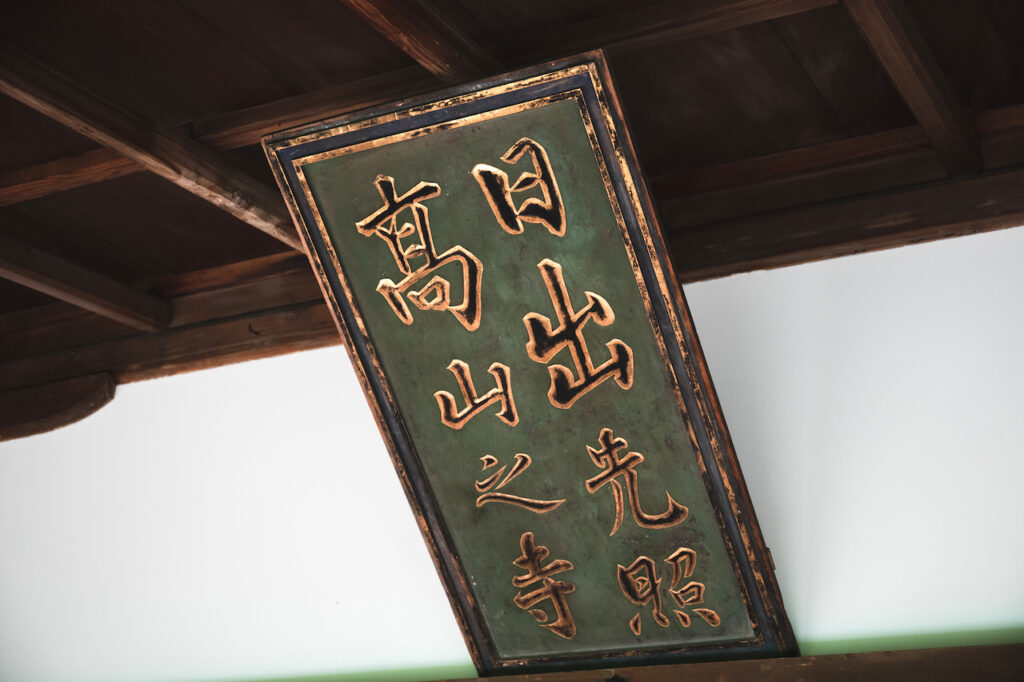
Myoe Shonin is said to have written a love letter to the statue of Shaka Nyorai, as he had a deep faith in Shakyamuni, the founder of Buddhism. He also cut off his right ear because of his faith. In addition, it was admired by many people, one of whom was the Retired Emperor Go-Toba, who presented him with an imperial plaque ``Hinode Senthou Kozan no ji'' and gave it the temple name of Kozan-ji. Kozanji has developed as a temple of learning, and even today, there are more than 10,000 national treasures and important cultural properties.
It is said that the 'Arubeki Youwa' preached by Shonin was used as a reference by the Hojo clan when establishing the Goseibai Shikimoku. In this land rich in nature, you can feel Myoe Shonin, who had a great influence on Japanese history.
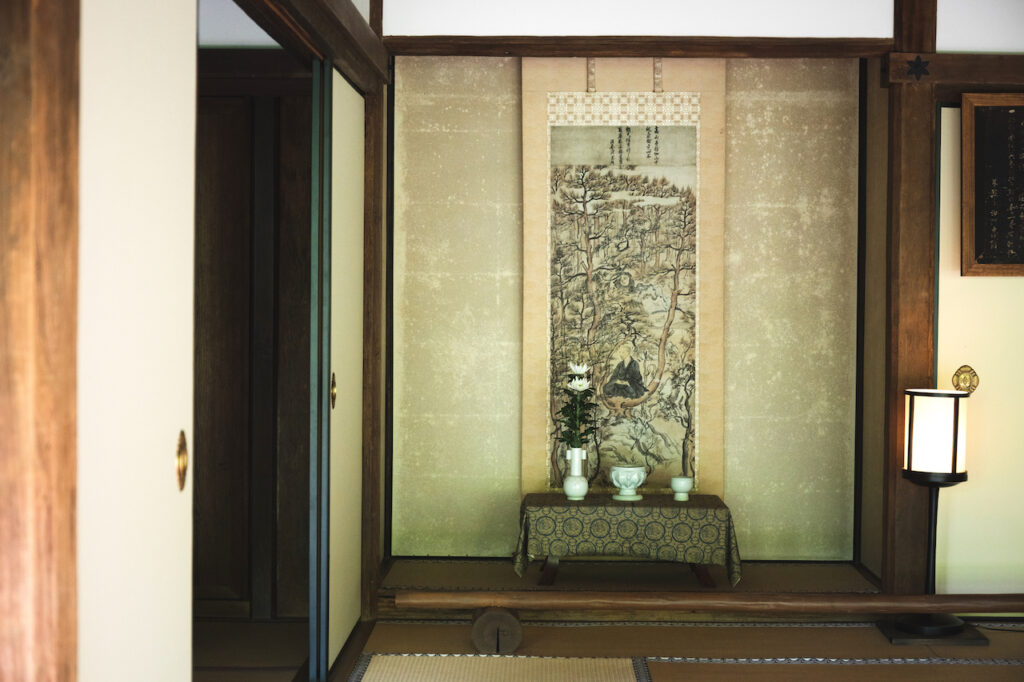
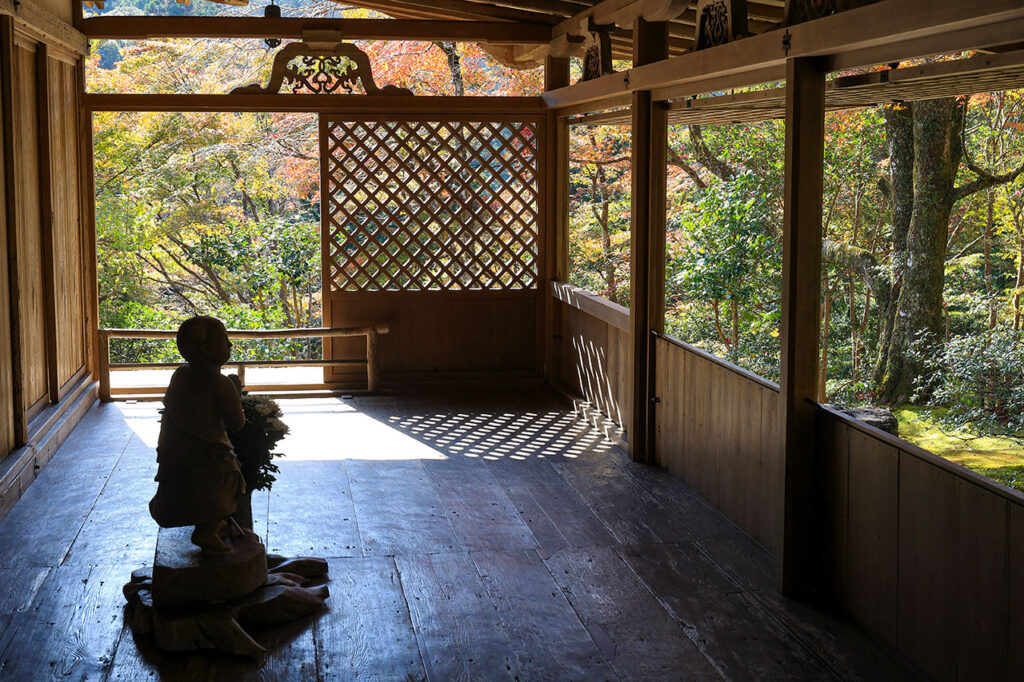
Inside the Sekisui-in Temple, a statue of Zenzai Doji, which Myoe respected and loved, and a portrait of Myoe (reproduction) are displayed. The portrait painted by a disciple depicts Myoe Shonin training in the mountains of Toganoo. If you look closely, you can also see animals such as birds and squirrels on the painting, which is a good representation of the animal-loving Shonin's personality.
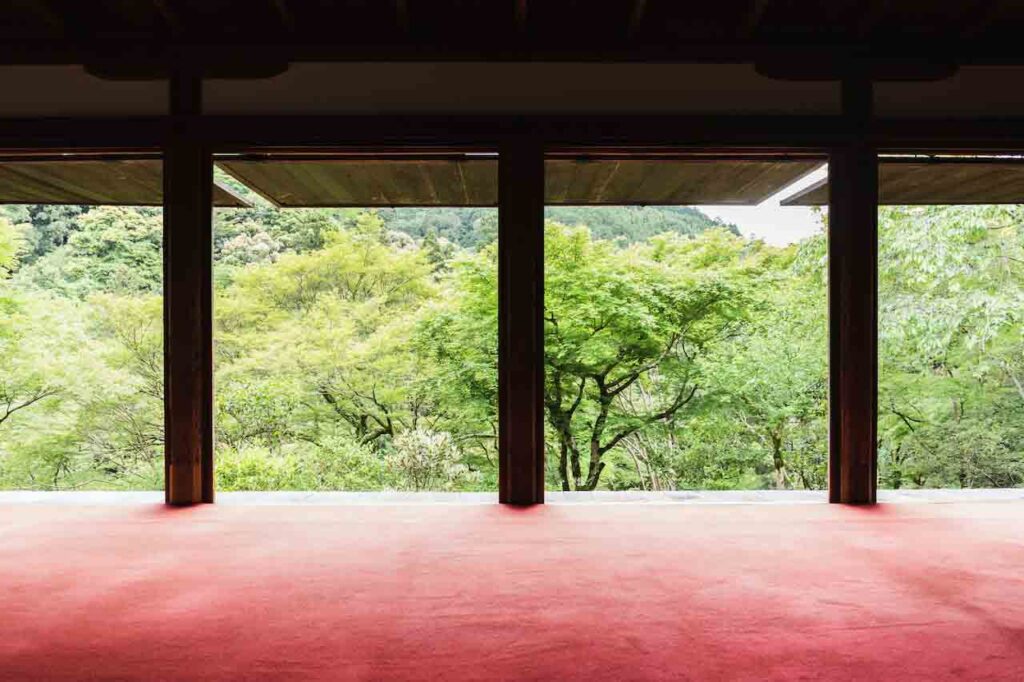
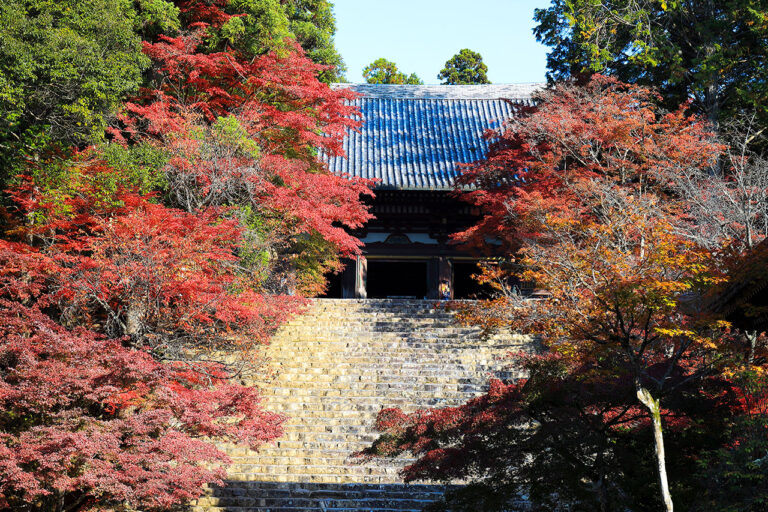
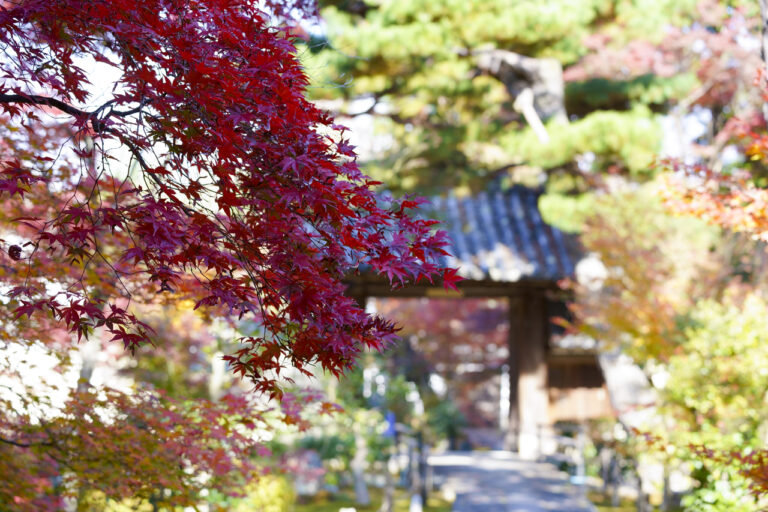
blue maple in summer
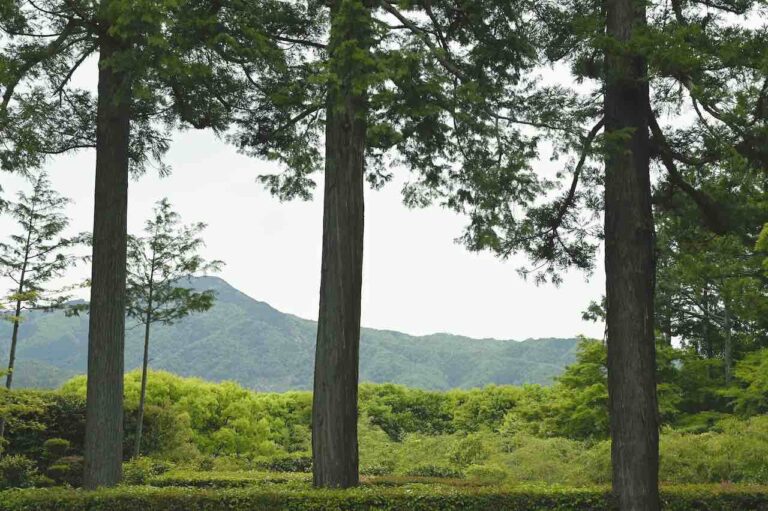
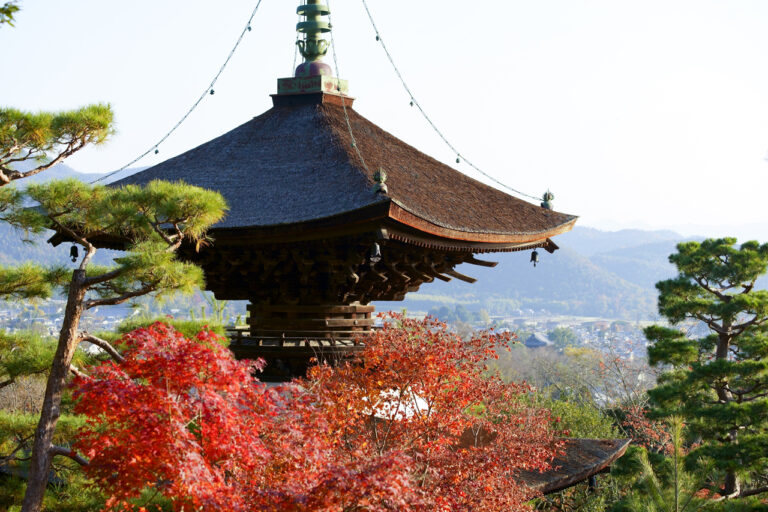
The only existing building that Myoe Shonin actually used. Shinden-zukuri from the Kamakura period is a very rare building, and you can see the scenery of Mt. The actual plaque ``Hinode Senthou Kozan no ji'' given by the Retired Emperor Gotoba is on display.
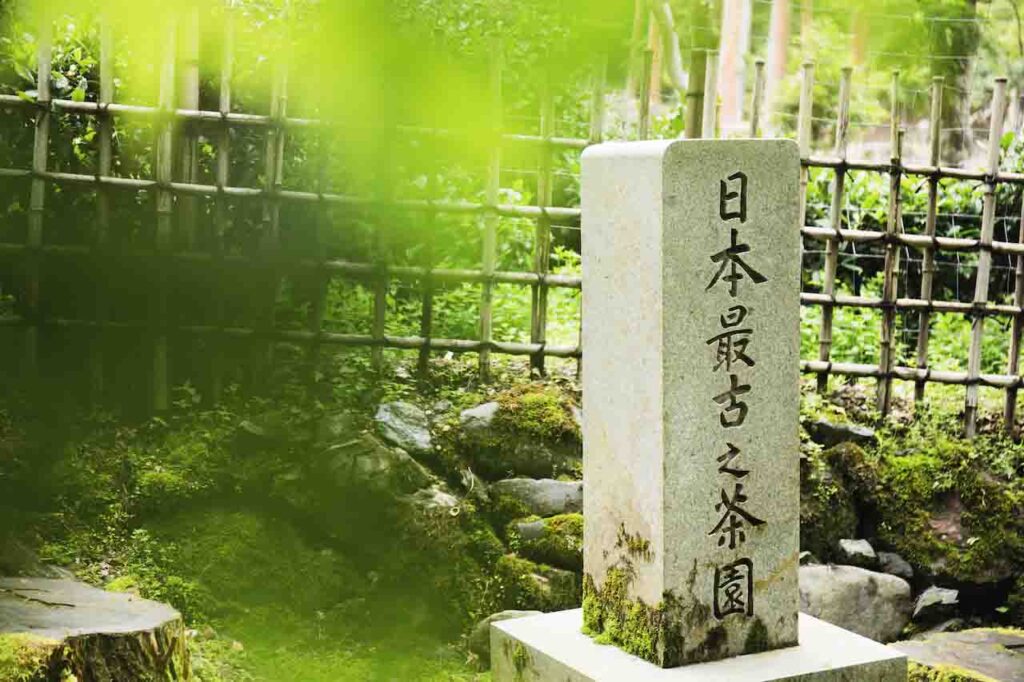
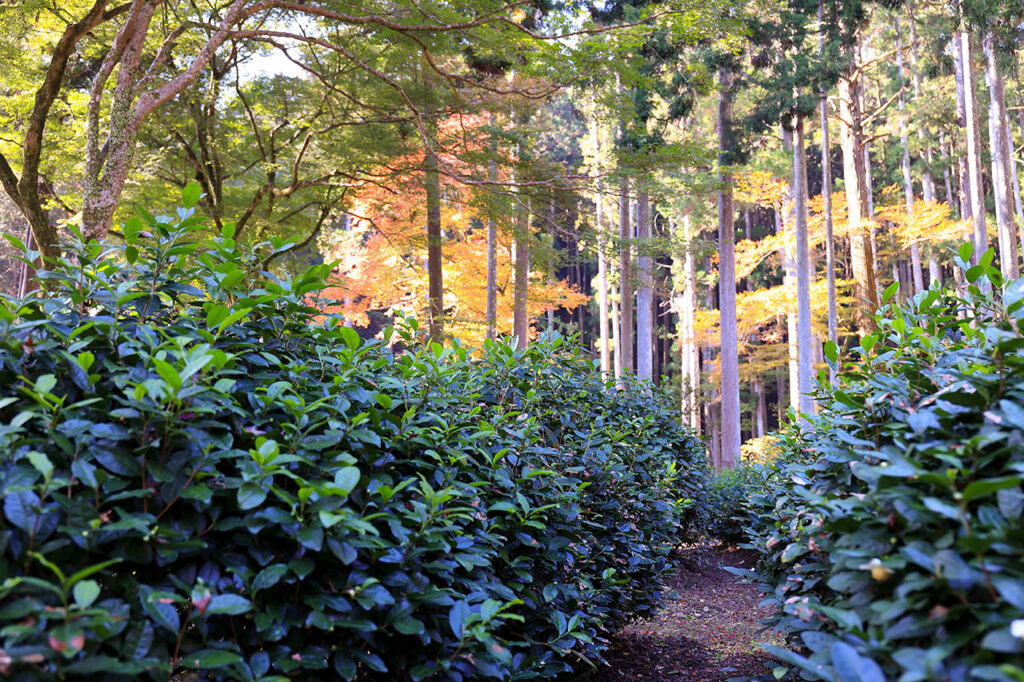
It is said that Japanese tea culture began when Eisai Zenji brought back tea seeds from China and gave them to Myoe Shonin, who planted them here. Toganoo's tea was called honcha, and the others were called non-cha. This tea was introduced to Uji and spread to various places.
また、石水院隣の呈茶席では抹茶1000円をいただくこともできる。
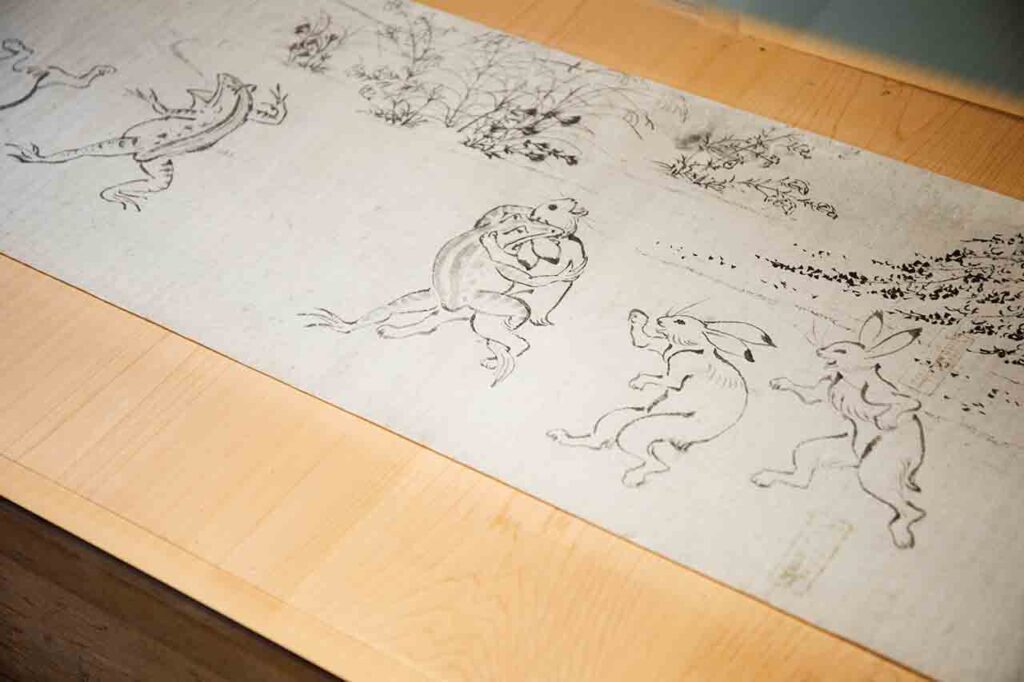
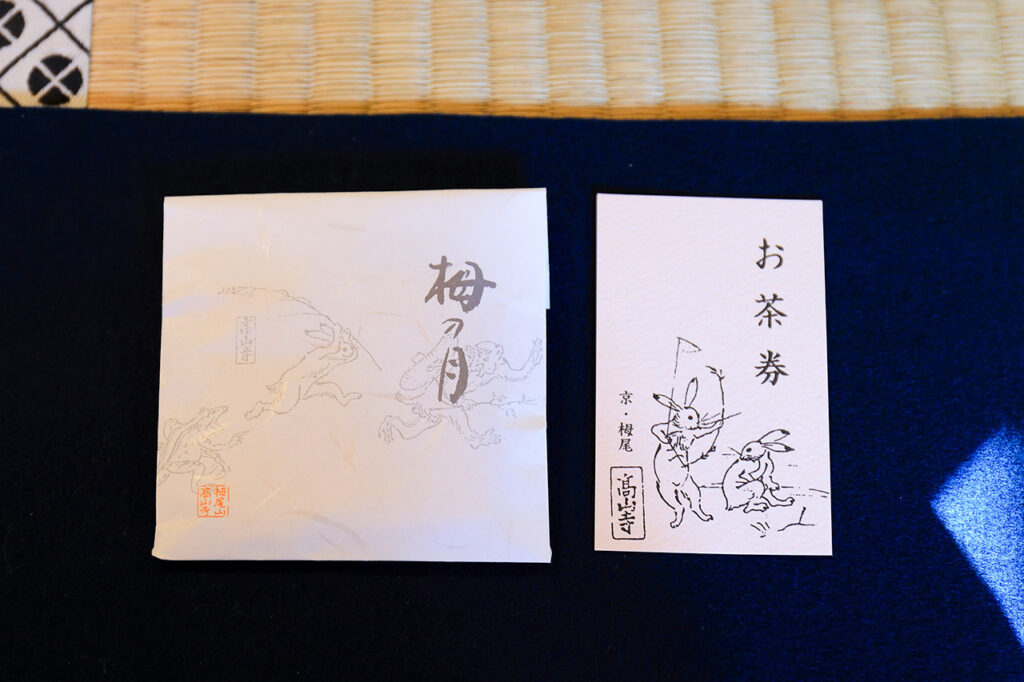
Choju caricatures are also drawn on tea tickets and sweets at the tea ceremony
Anthropomorphic animals such as rabbits and frogs are comically depicted in picture scrolls that are said to be the origin of manga. A replica is always on display in Sekisui-in. It is a picture scroll that has been handed down because it is a temple of Myoe Shonin who loved animals deeply.

Over 600 interviews per year! An order site carefully selected by the editors who knows Kyoto and Shiga.
nowOfficial LINE friend registration500 yen OFF coupon is being issued!
Distributed every Friday morning at 8:00 am! From new restaurant information to event information that we want to share with you, We deliver articles about Kyoto that are useful to know. About 20,000 people have registered.Click here to add a friend!
 News
News Feature article
 Featured event
![安藤忠雄建築[TIME'S]京都建築センター](https://www.leafkyoto.net/leaf/wp-content/uploads/2026/08/260807-times1-300x200.jpg)