


PR


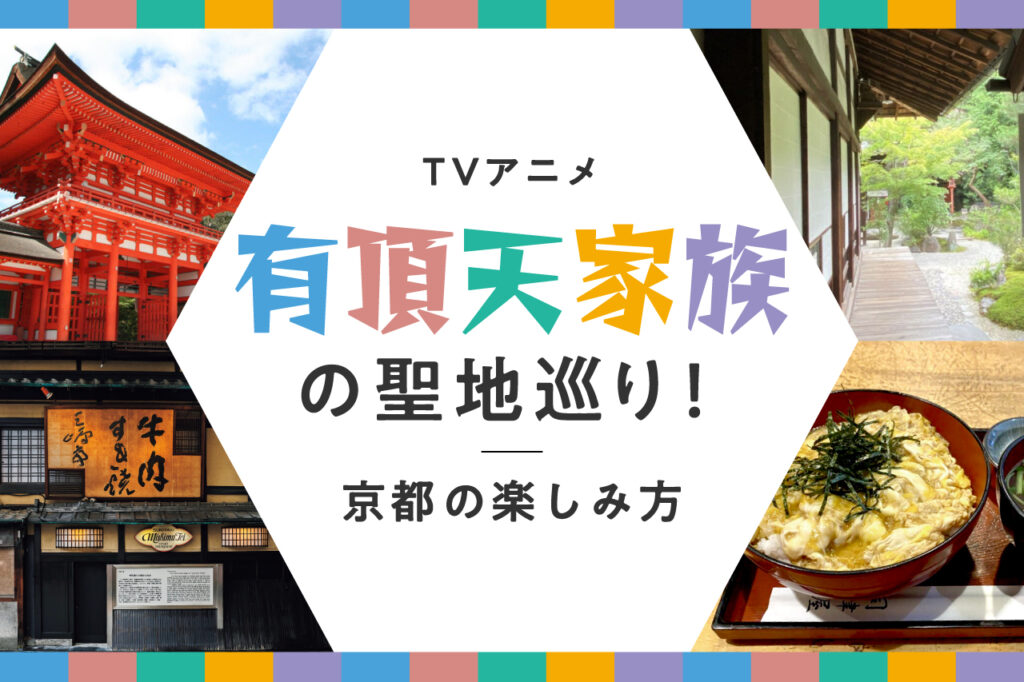

Tomihiko Morimi's "Arikuten Kazoku" is a novel about a family of raccoon dogs living in Kyoto. It will be 10 years in 2023 since the first season of the TV anime based on the novel was broadcast. This year is the anniversary year of the anime, and Kyoto City has been showing a lot of excitement with collaborative events being held throughout the city. In this issue, Kyoto spots that appear in the anime are introduced with scenes from the anime and actual photos. Take a look back at the charm of the work and feel like a raccoon dog as you tour the streets of Kyoto, where the main character Yazaburo ran around and around.
(TEXT: Interesting is good. EDIT: Miki Tamura)
[This fantastical at-home drama depicts a family of raccoon dogs living in Shimogamo Shrine and the three sides of humans and tengu that surround them. The universal love of family is depicted in this masterpiece that has not faded over time. The animation studio [P.A. WORKS], which has produced many masterpieces set in real-life areas, adapted each line of the novel with love and passion. The director, Masayuki Yoshihara, has also spun a heartwarming tale in the anime "Amaho no Sakuna Hime" currently airing.

Yasaburo and his raccoon dog family, the Shimogamos, live in the Tadasunomori forest on the grounds of Shimogamo-jinja Shrine. Although it is a famous tourist spot, the quiet forest is also a place of relaxation for the people living in the surrounding area. The story was inspired by Morimi's experience of actually seeing a raccoon dog in this area when she was a student. The precincts of the temple in the work are depicted as they were when the area was richer in nature than it is today.
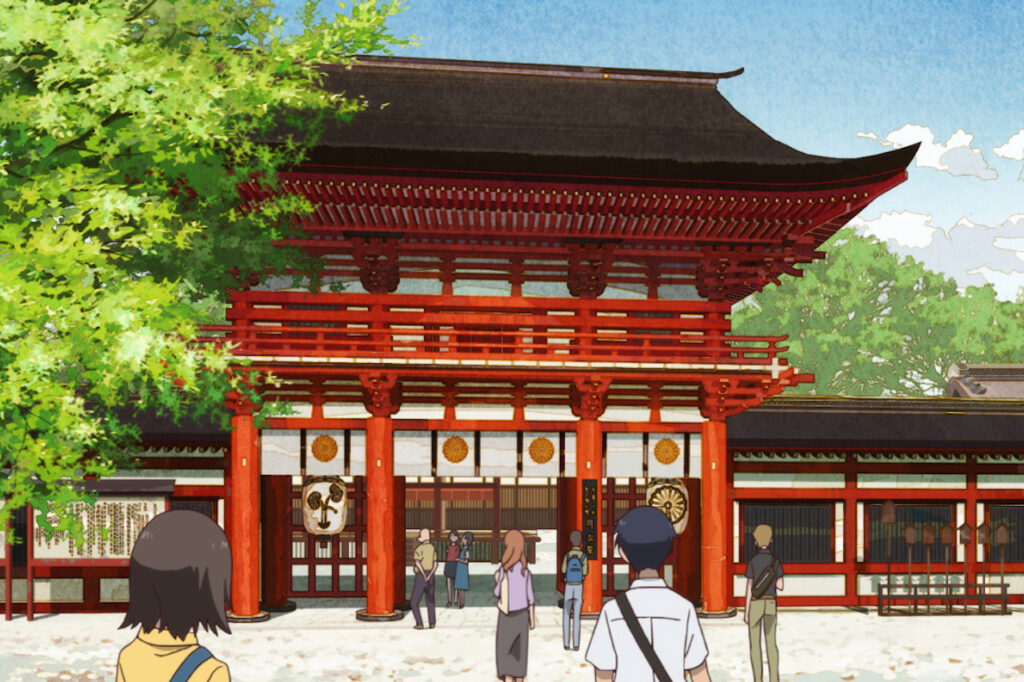
[Shimogamo-jinja Shrine is officially called Kamomiya Shrine. It is one of the oldest shrines in Japan and was registered as a World Heritage site in 1994. Traditional annual events such as Yabusame (horseback archery on horseback) and Mokage Festival are held throughout the year, and the Shimogamo Noryo Kohon Festival and Mitarashi Festival in summer are especially popular with many people.
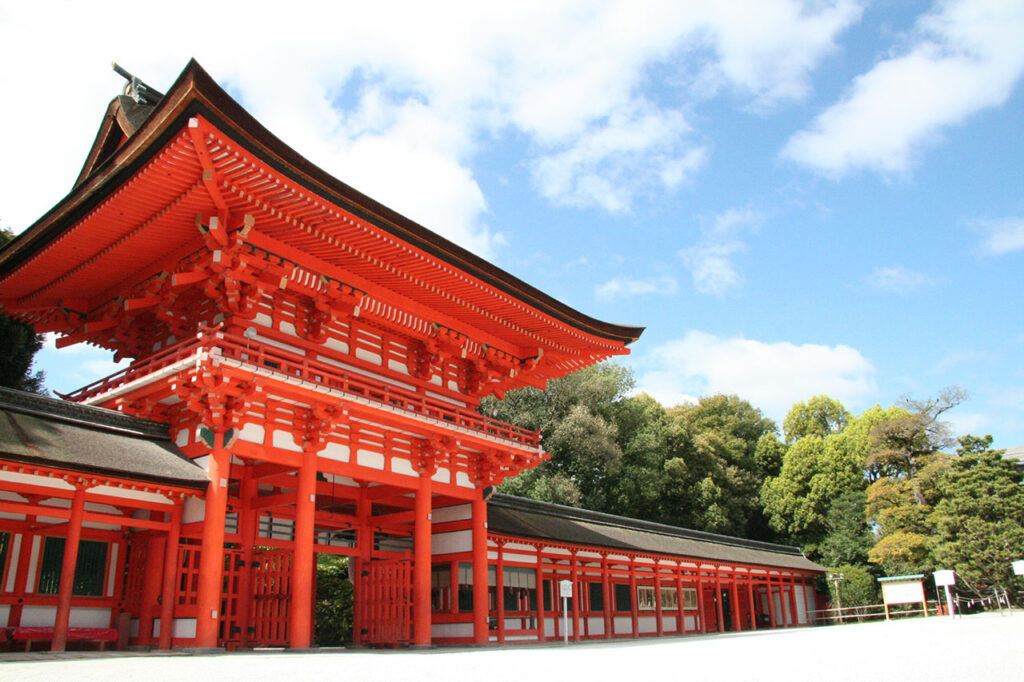
[Shimogamo-jinja Shrine (Kamo Goso-jinja Shrine)
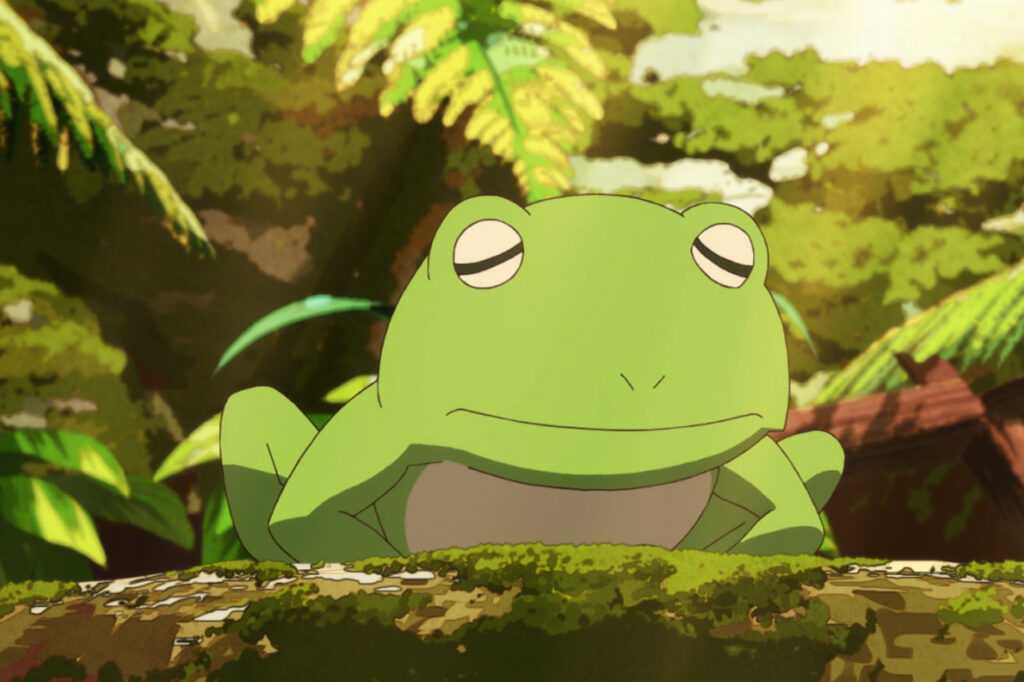
At the Rikudo-Jinnoji Temple, known to local people as "Rikudo-San," there is a well where the second son, Yajiro, has been living secluded. Yajiro is the only one in the family who lives not in the forest but in a well, because he has been disguised as a frog for so long that he is unable to transform back into a raccoon dog. This well was also featured in a romantic scene in which Benten, Yajiro's first love, weeps profusely in front of the well at night.
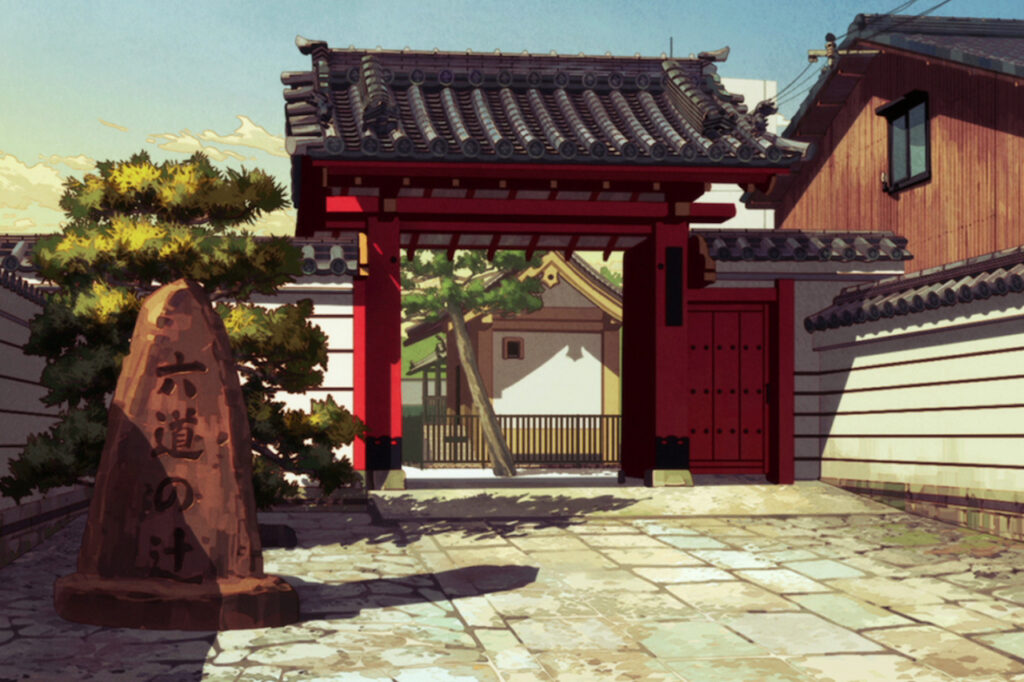
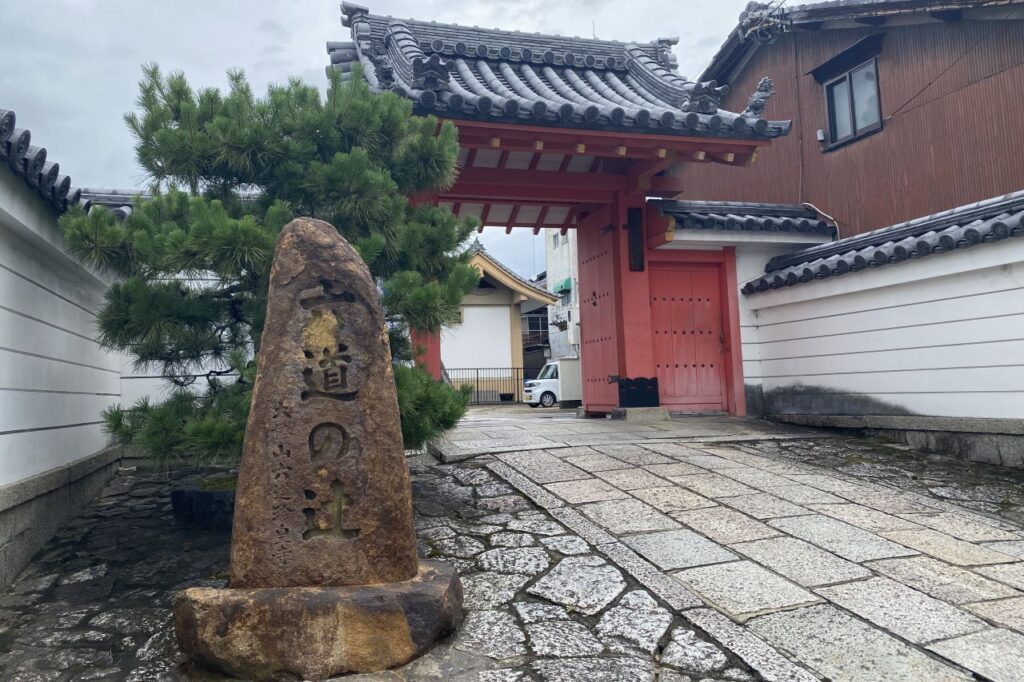
[In front of the gate of Rikudo-Jinnoji Temple, there is a stone monument that reads "Rikudo no Tsuji" (The Six Streets of the Road).
The "Six Realms" is a term associated with Buddhist doctrine. Since the Middle Ages, it has become widely known as "passage to the underworld. Legend has it that Ono Takamura, a bureaucrat in the early Heian period, used the well to pass through to the underworld. The well is tucked away in a quiet, verdant area behind the main hall, creating an atmosphere in which one is tempted to go to the well and confide one's problems to the well.
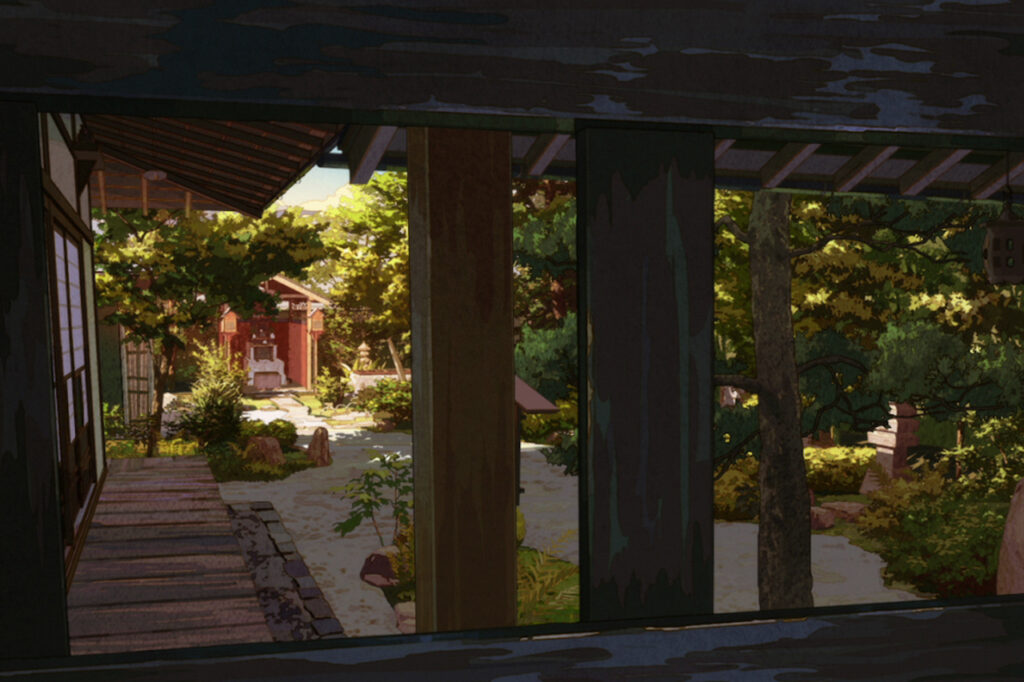
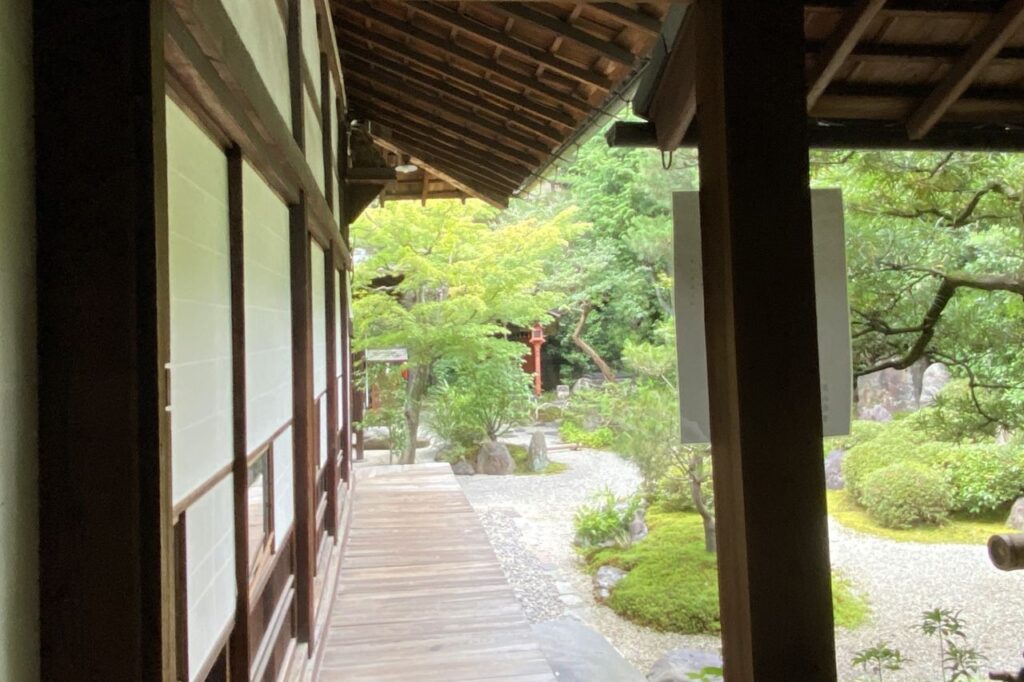
General worshipers are not allowed to enter the garden, so they can look into the well through the window.

You can look into the "well of the passage to the other side of the world" through the lattice window of the main hall.
It is the main downtown area of the city and appears frequently in various scenes in the work. Particularly memorable is the scene where Yazaburo, Benten, and Professor Yodogawa, who have left the "Friday Club," walk along the work passage above the shopping arcade on a full moon night. It is interesting to look up at the roof of the arcade, which one does not usually pay much attention to, and ponder the scene of the work.

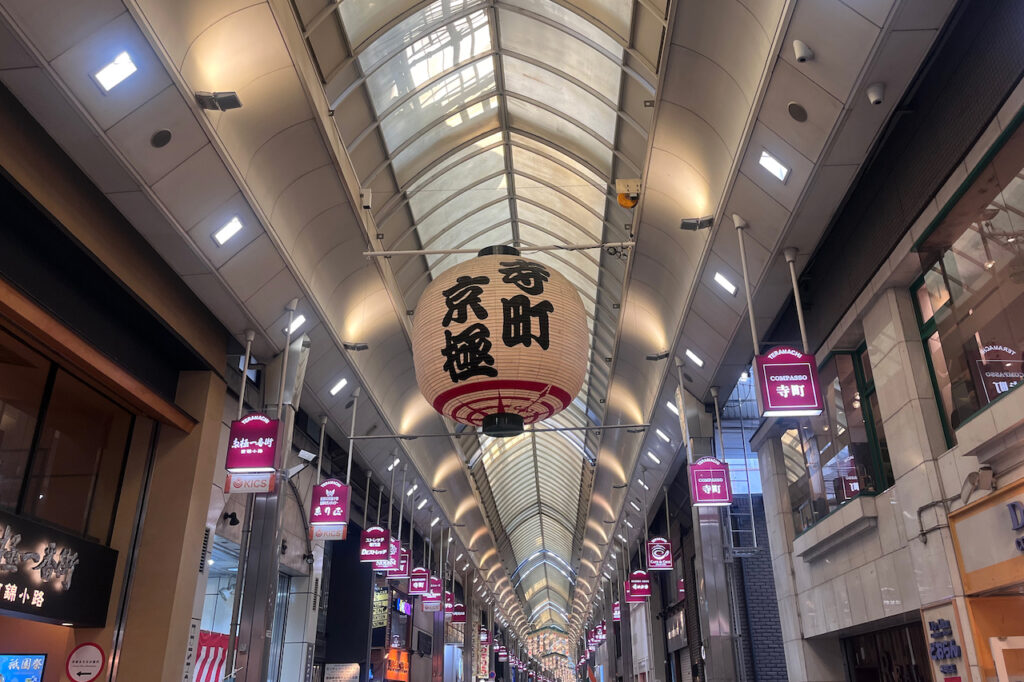
[Teramachi Kyogoku shopping district]
This shopping street was built by Hideyoshi Toyotomi during the Azuchi-Momoyama period (1573-1600), and many of the remaining long-established stores have been running for generations since that time. Many of the remaining long-established stores are well-known stores that have been in business for generations. New stores selling fashion goods, sundries, cafes, and other items line the street, which is bustling with young people and tourists throughout the year.
Yazaburo incurred Benten's wrath, and in return, he was asked to perform as an entertainment at a banquet held at the Mishimatei. In front of the members of the "Friday Club," a group of seven gourmets, Yazaburo performed a magnificent seven transformations and received a round of applause. He was almost turned into a raccoon when the humans discovered his true identity, but he was able to disguise the fact that he was a raccoon dog.
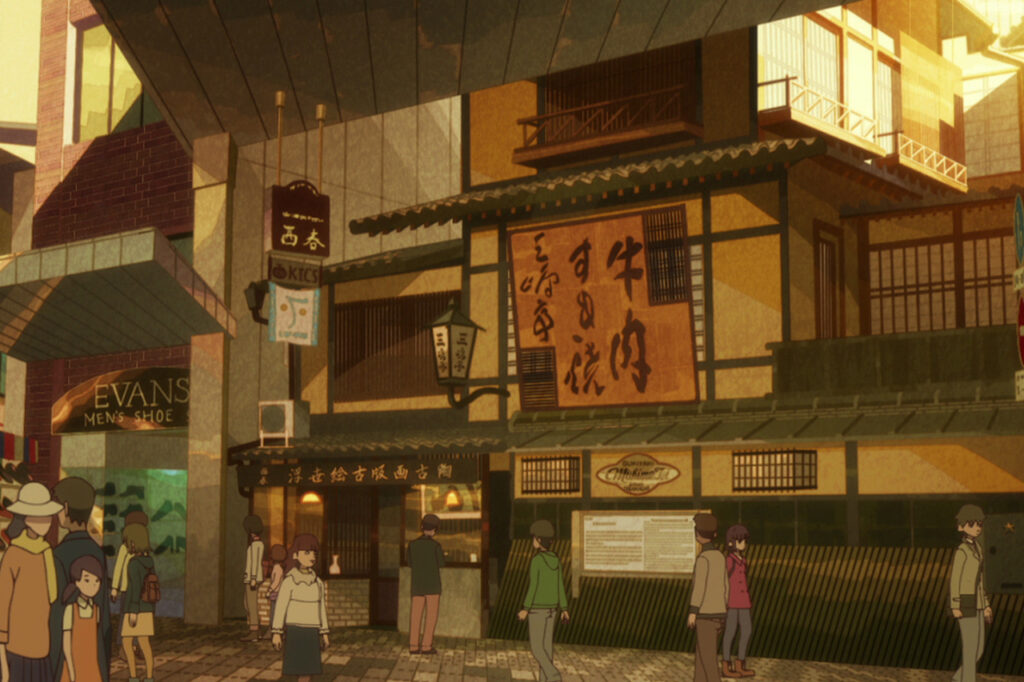
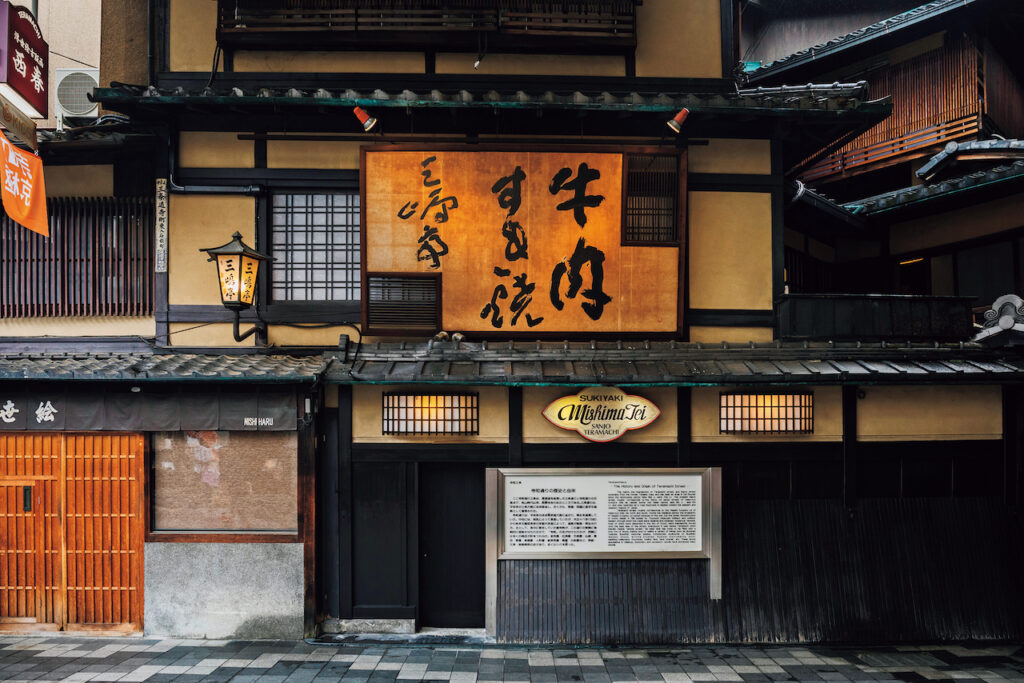
The store, built in the early Meiji period in the Kyoto machiya style, exudes an air of elegance.
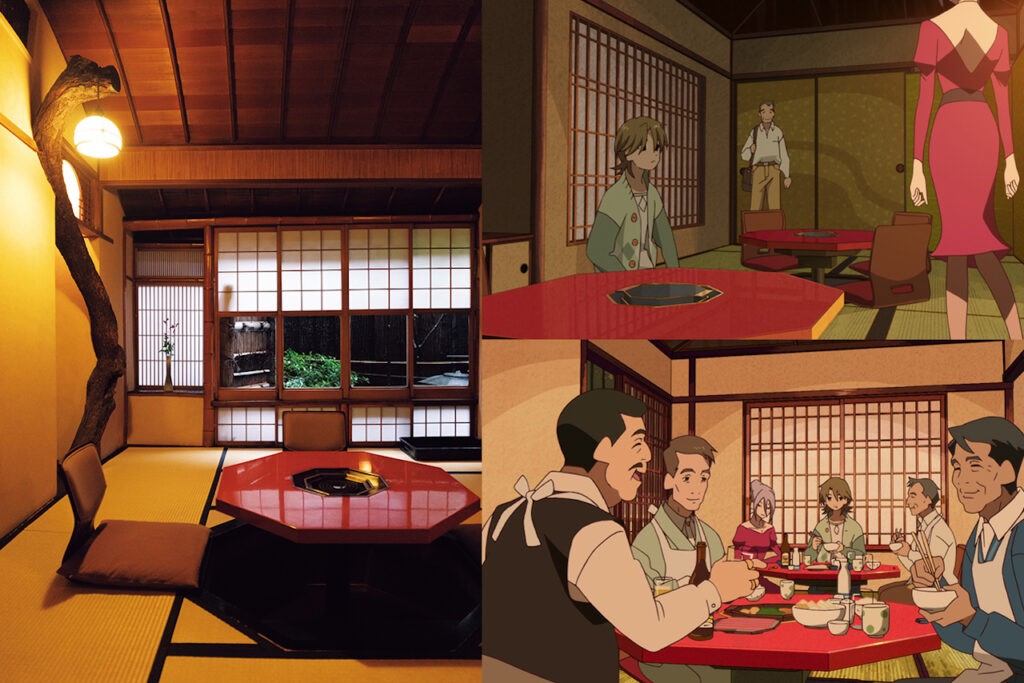
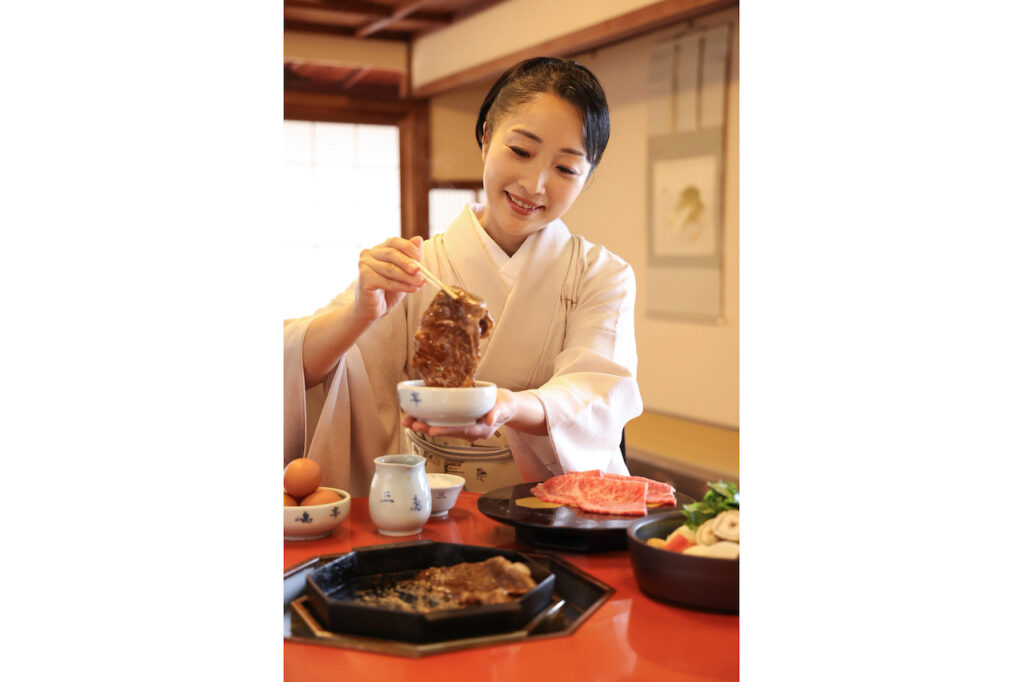
The taste of a long-established restaurant that even the members of the "Friday Club" are impressed by. The best course at Mishimatei is a fusion of Japanese cuisine and sukiyaki, created by Taro Mishima, the fifth generation owner of Mishimatei. The unique cooking method and secret sauce, which has been passed down from generation to generation, allow you to enjoy the best quality aged Japanese black beef. The final course of the meal is served with matcha (powdered green tea) in the spirit of hospitality, as the rich sweetness of sukiyaki is tempered by the bitterness of the matcha to refresh the palate.
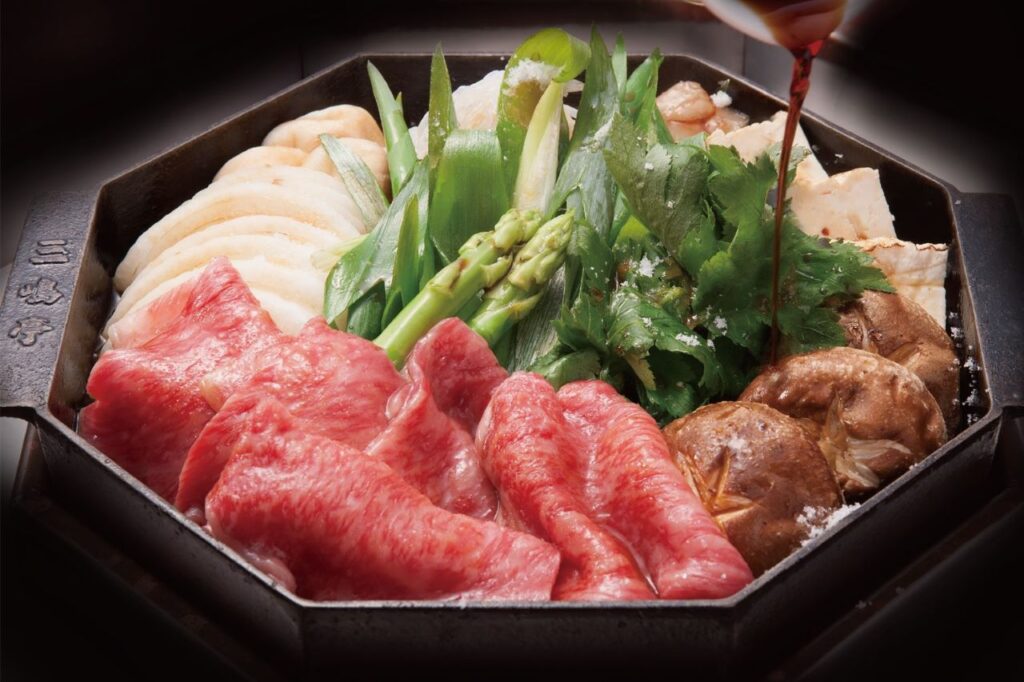
An example of the monthly Hana Course for 24,200 yen. Reservations required 2 days in advance.

Over 600 interviews per year! An order site carefully selected by the editors who knows Kyoto and Shiga.
nowOfficial LINE friend registration500 yen OFF coupon is being issued!

Distributed every Friday morning at 8:00 am! From new restaurant information to event information that we want to share with you, We deliver articles about Kyoto that are useful to know. About 20,000 people have registered.Click here to add a friend!
 News
News Feature article
 Featured event