


Now's the Time to Go! Recommended Eats We Found All Over Kyoto...
PR


“The four areas collectively known as ”Another Kyoto”—“Kyoto by the Sea,” “Kyoto in the Forest,” “Kyoto of Tea,” and “Otokuni, the Village of Bamboo”—boast fertile lands that have long supported the capital’s cuisine and are renowned for their food cultures rooted in local history, climate, and way of life. In this article, we’ve carefully selected and introduce notable gourmet spots from “Shokurashi Tabi,” a website that showcases the charms of various regions across Kyoto Prefecture. You’re sure to feel inspired to embark on a journey to discover the culinary delights of Kyoto you’ve yet to experience.
“Shokurashi Tabi” is a website that focuses on the lifestyles and food cultures of various regions throughout Kyoto Prefecture, introducing not only gourmet cuisine but also the stories behind it. Using “food” as its lens, the site explores “Another Side of Kyoto”—including the “Kyoto of the Sea,” “Kyoto of the Forest,” “Kyoto of Tea,” “Bamboo Village: Otokuni,” as well as the “Hidden Gems of Kyoto” area within Kyoto City. Through the voices of producers, chefs, and shop owners, the site shares the culture and way of life deeply rooted in each region. Here, we introduce five recommended spots you can discover in each of these areas.

Located in the northernmost part of Kyoto Prefecture, Tango is known as a treasure trove of ingredients, and no discussion of the region would be complete without mentioning its local specialty, Tango Barazushi. It is characterized by the use of sweet-and-salty flaked mackerel and is beloved as a festive treat for seasonal events and celebrations. Layers of sushi rice, kanpyo, and flaked mackerel are stacked like a mille-feuille; at first glance, it resembles oshizushi, but its texture is much more delicate than you might expect.

"Torimatsu" in Amano-cho, Kyotango City, is a renowned restaurant that has carried on the tradition of Tango bara-zushi and has long been beloved by the local community. Chef Obata, a native of Kumihama, says that leaving his hometown to train as a chef made him appreciate the quality of Tango’s ingredients even more. Tango bara-zushi, made with great care and attention to detail, has been a huge hit at events and workshops across the country.Articles on Food and TravelNext, we’ll introduce the unique charm of local cuisine, as well as the new Tango delicacies currently being served at the café terrace [MATSUTARO] on the second floor of the store, which was renovated in 2023.

[Amano, Kyotango City, Kyoto] Minced mackerel and a variety of toppings! In Search of Tango Barazushi
https://kurashitabi.kyoto/blog/138/
Fukuchiyama is known as the “Town of Sweets,” dotted with specialty shops that feature local ingredients such as Tamba chestnuts and Tamba black soybeans. [Western Confectionery Mountain] is a Western-style pastry shop run by Chef Naomi Mizuno, a leading figure in this movement. Chef Mizuno, who has won first place at a world chocolate competition, says, “I want to continue evolving here in Fukuchiyama, where fresh, high-quality ingredients are readily available.”

From simple Western-style sweets—such as pudding made with local ingredients and the long-standing best-selling cheesecake—to bonbons that have been named the best in the world, this one-of-a-kind shop attracts many visitors from far and wide. To learn more about how Chef Mizuno—an inspiration to aspiring chocolatiers—first entered this field and the aspects of French culture that left a lasting impression on him,Articles on Food and TravelSo.

[Kyoto, Fukuchiyama City] A Western-style pastry shop beloved by residents of the “City of Sweets”
https://kurashitabi.kyoto/blog/142/
Ide Town, located in southern Kyoto Prefecture, is the perfect destination for a day trip from the Kansai region—a scenic area rich in historical sites and natural beauty. Opened in September 2023, [Teo Terrace Ide] serves as a community hub, beloved by locals for its roadside station-style atmosphere. Born from a desire to create signature specialties for Ide Town, the facility—which took about 10 years to develop—features local dishes, fresh vegetables, and regional specialties, including the Ide Golden Pudding and brown rice gelato, and warmly welcomes travelers stopping by to rest.

In addition to its unique menu and product lineup, one of its standout features is that it’s beloved and frequented by locals. It’s heartwarming to see people of all ages—from children to adults—gathering here and enjoying their time in their own way. For details on the diverse culinary offerings—including ramen made with local ingredients recommended by locals and snacks to pair with drinks—seeArticles on Food and TravelCheck for.

Found in southern Kyoto Prefecture! [Theo Terrace Ide], a collection of “things we wish were in Ide Town”
https://kurashitabi.kyoto/blog/137/
Located near [Mukō Shrine], a famous cherry blossom viewing spot, the traditional Japanese confectionery shop [Tsujiyama Kyūdō] is a renowned establishment that was founded about 100 years ago and has been beloved by the local community. Although it closed its doors about 20 years ago, in response to widespread calls to bring back its signature confection, the “Genji-maki”—a yōkan with a smooth, silky texture wrapped around a silky-smooth white bean paste filling—the shop’s name and this iconic treat were revived in 2024. The driving force behind this revival was Yukiko Tsujiyama, the founder’s great-granddaughter. After leaving her career as a bank employee, she relied on the previous generation’s handwritten recipes to conduct repeated test runs and finally perfected the new Genji-maki.

While Genji-maki used to come only in the red, stick-shaped variety, the new versions are colorful and are now sold by the piece. The selection includes items unique to this region, such as “Kaguya,” which uses matcha to replicate the color of bamboo—a specialty of Otokuni. These are sure to be popular as souvenirs not only among locals but also among travelers.Articles on Food and TravelNow, let’s take a closer look at what inspired the revival and the company’s commitment to craftsmanship in confectionery.

I found these near "Mukai Shrine," a famous cherry blossom spot! Colorful, cute, and traditional Japanese sweets with a long history.
https://kurashitabi.kyoto/blog/2292/
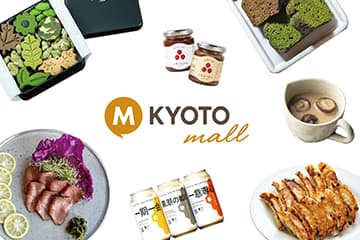
Over 600 interviews per year! An order site carefully selected by the editors who knows Kyoto and Shiga.
nowOfficial LINE friend registration500 yen OFF coupon is being issued!
Distributed every Friday morning at 8:00 am! From new restaurant information to event information that we want to share with you, We deliver articles about Kyoto that are useful to know. About 20,000 people have registered.Click here to add a friend!
 News
 Feature article

PR
 Featured event


